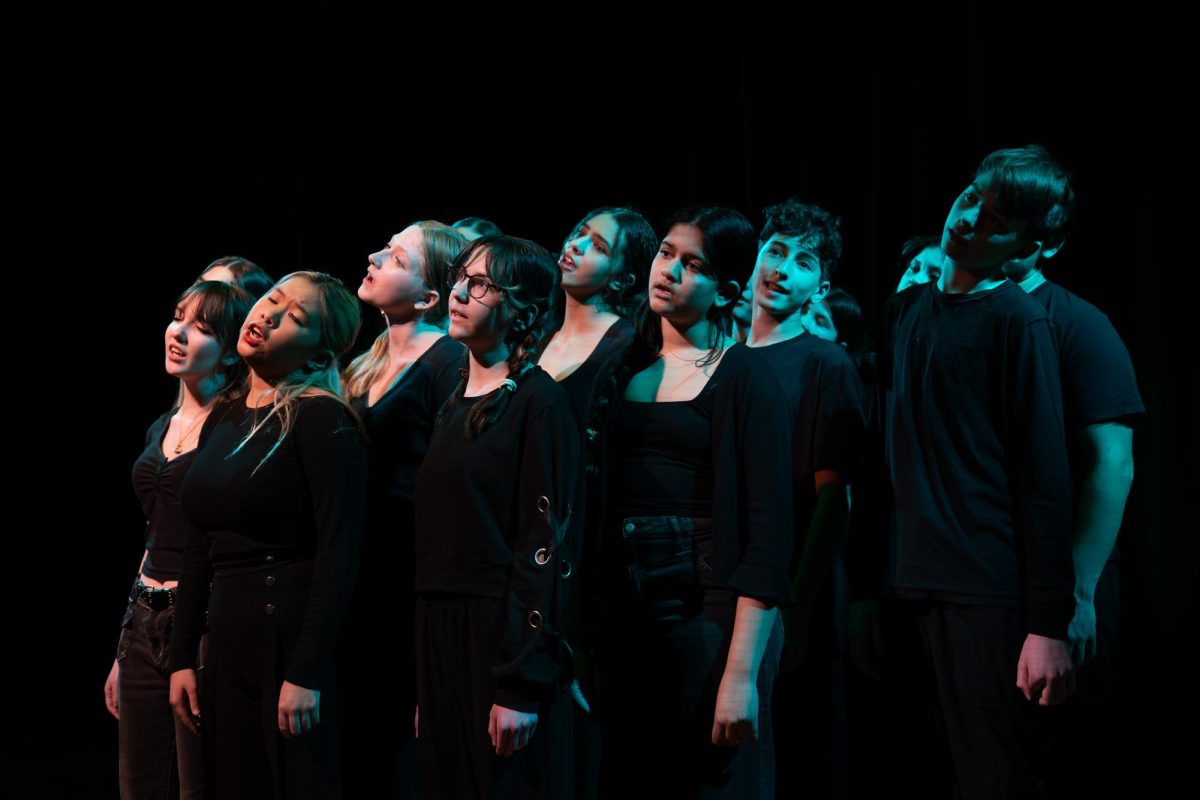

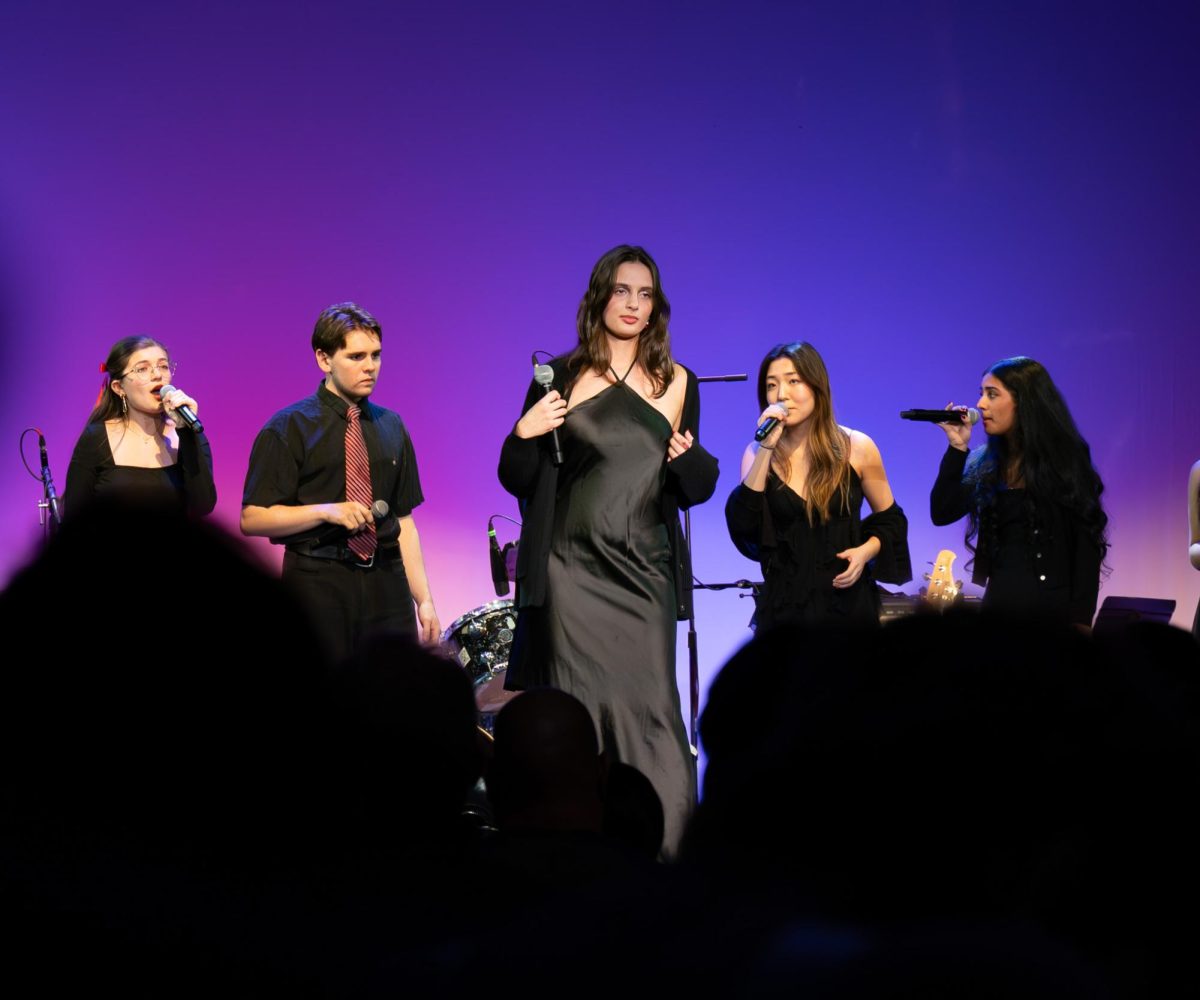
The annual Winterlight concert contains many festive performances for thewhole community to enjoy. However, you may notice the lack of typical Christmas, Hanukkah or other religiously-associated songs.
Many decades ago, Masters was more focused on Christian values, and the Winterlight concert, then called “Candlelight,” was held at the South Presbyterian Church. However, as religious diversity increased, it became clear that things had to change in order to accommodate the students.
Department of Performing Arts Chair Jennifer Carnevale said, “We realized this was a really uncomfortable situation for our Jewish students, our Muslim students, our non-denominational students, and that wasn’t the place Masters was.”
Additionally, since participation in the Winterlight concert is graded for the academic ensembles, Carnevale believed that performing a religious song might mean that a student’s religious beliefs would be involved in the grade they received.
This is clear within the Middle School, where participation in the winter concert is required for all students, so sacred texts are not allowed. Carnevale said, “[The Middle School] only has one concert a year. So if your only song you do all year is a Christmas song and you’re a Jewish kid, how does that feel?”
However, juniors Isabella Cardace and Laura Peralta believe that adding more popular holiday songs would make the concert fit the season more.
“I think if they’re going to call it “Winterlight concert” and not just “concert” then it should have something to do with winter,” Cardace said.
“We’re supposed to start off the [winter] season and get everyone in the mood. We’re not doing that,” Peralta said.
In fact, Upper School ensembles are not strictly banned from including any sacred texts within their repertoire. Choral ensembles, especially Tower Singers who perform older music, typically involve the study of religious songs within their curriculum.
Choral Music Faculty Member Caitlin Adler said, “Choral music in particular, so much of its history is in the church. And in the church specifically, not temples, because in synagogues, where cantors are the main musical leader in the worship sessions, they are doing solo work.”
Adler mentioned that there are many technical skills that could be taught using sacred scripture.
“We talk a lot about polyphony, which is multiple melodic lines that are layered on top of each other, and that style of composition came out of the Renaissance… that’s a super important technique for singers to learn how to sing, because you can’t depend on another person’s part for your part, you have to be able to sustain your own melody,” Adler said.
Adler continued and explained how religious music that students may not relate to can still have a positive impact ontheir music ability.
“I think religious music, sacred texts and sacred pieces fall into that category of music that you may not always personally identify with, but you should still be exposed to and understand the tradition and understand the value that it may have in the discipline you’re studying,” Adler said.