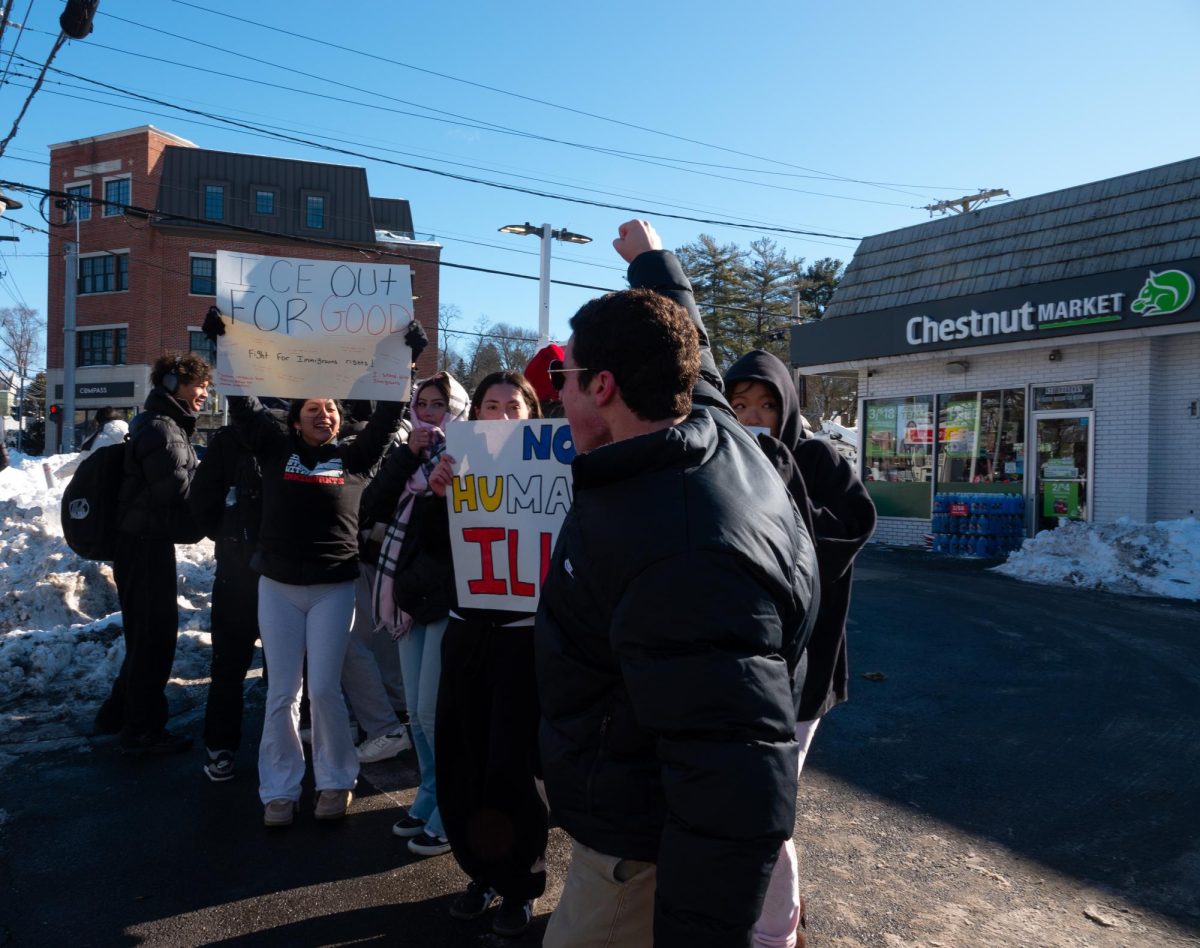





“Driving to school one day, I witnessed an ICE raid off the Saw Mill [Parkway] near Dobbs Ferry. I was in the car, my mom was next to me, shaking, and we couldn’t look as we nervously drove to Stop & Shop watching more ICE cars come in,” said an anonymous Masters junior with undocumented family members. “It’s a horrible experience. I feel like every day I get home and I’m like, ‘Thank you, God for another day not witnessing [another raid], not getting thrown on the ground like [people do in raids].’”
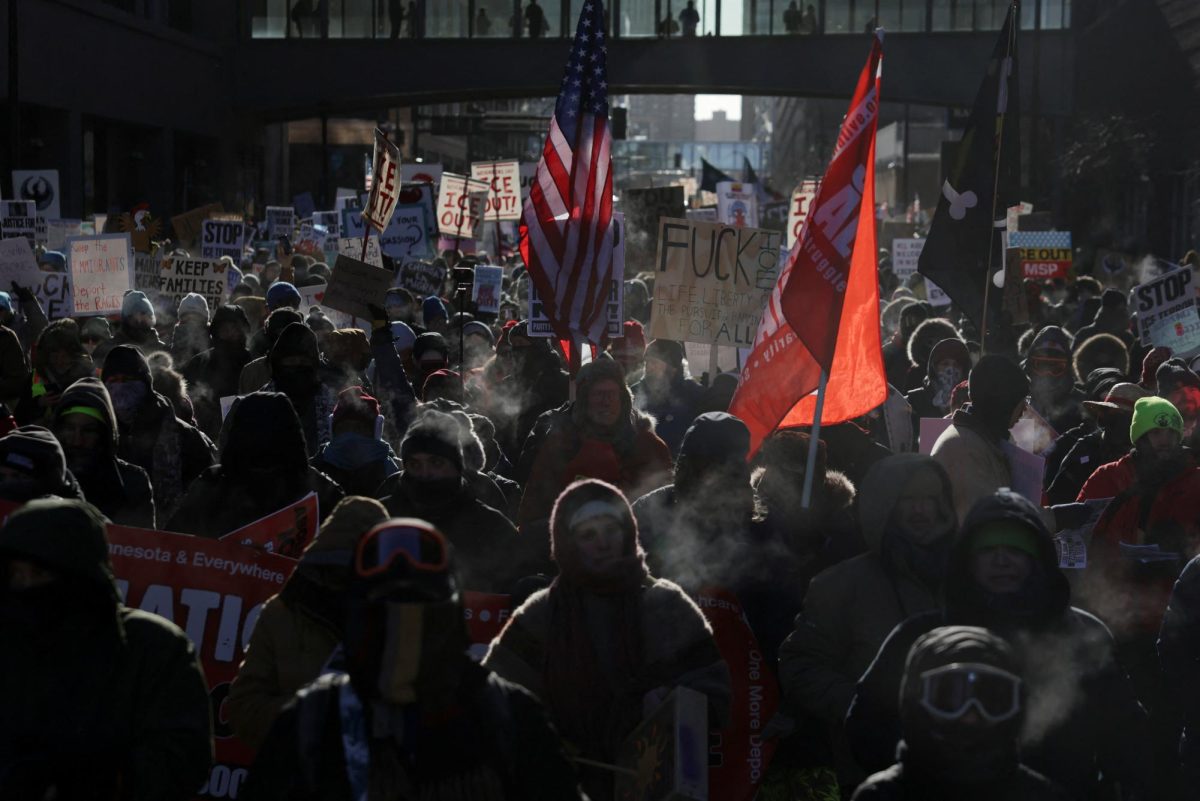
In recent months, Immigration and Customs Enforcement (ICE) has conducted multiple enforcement operations across Westchester County, including arrests in Tarrytown, Sleepy Hollow and Mamaroneck. The raids have sparked discussion both inside and outside of the Masters community on how to address immigration issues and safety.
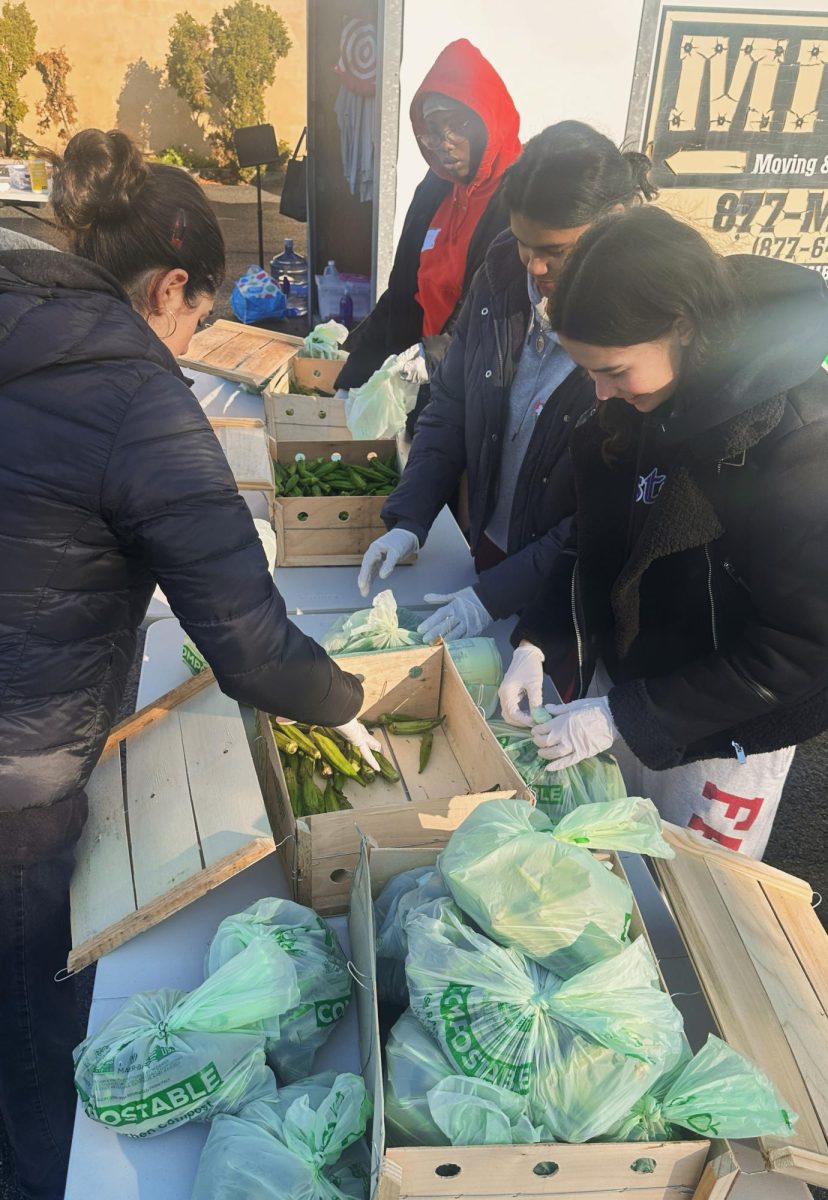
Katie Graves-Abe, senior communications manager at Neighbor’s Link, a Mount Kisco-based nonprofit supporting immigrant families, noted that the heightened presence of ICE is increasing anxiety across the country.
“There is a lot of fear and concern about how changing policies may impact people’s status or their ability to achieve certain goals. We are here to provide whatever resources or support we can,” she said.
In Port Chester, CBS News reported on the detainment of 43-year-old volunteer firefighter Milton Guamarriga by ICE officials outside his home over the summer. Police in Mamaroneck confirmed that federal agents from ICE and the FBI were on Van Ranst Place on June 27, detaining an individual who had recently been convicted of DUI and criminal trespass.
Earlier in the summer, on May 22, ICE agents notified the Sleepy Hollow Police Department that they would be attempting to serve an immigration warrant on Cortland Street, where three people were taken into custody without incident. On July 14, ICE agents appeared in Tarrytown with administrative warrants seeking two individuals. No detainments were reported after that initial report.
The recent wave of enforcement actions in Westchester mirrors a broader national increase in immigration detentions. According to the American Immigration Council, the number of people held in ICE facilities has risen by 50% since President Donald Trump’s inauguration in January 2025. As of Sep. 21, Tracimmigration reported that 59,762 individuals are in ICE detention, and 71.5% of those current detainees have no criminal conviction.
At Masters, many students come from nearby towns affected by the recent ICE operations. Communities such as Port Chester (60% Hispanic), Sleepy Hollow (47.8%), Ossining (41.7%), and Mamaroneck (28.5%) all have large Hispanic populations according to U.S. Census Data. With ICE arrests reported in several of those municipalities, the operations have taken on a local relevance for the school community.
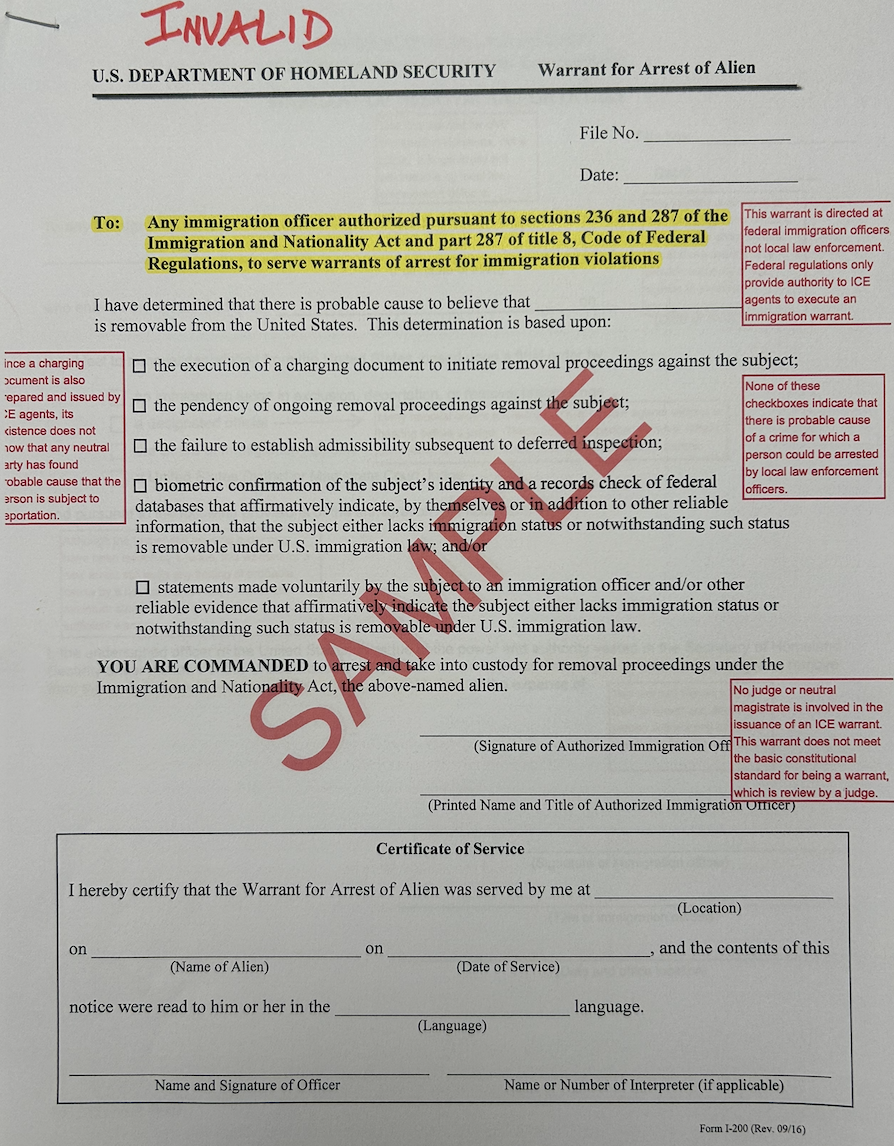
Although the Trump administration rescinded a Biden-era guideline in January 2025 restricting the presence of immigration enforcement at “sensitive locations” like schools, churches, and hospitals, guidance issued jointly by the State Attorney General’s Office, the Governor’s Office and the Department of Education emphasized that New York State public schools cannot deny enrollment, collect citizenship information or share student records with immigration authorities without a judicial warrant or subpoena.
While those rules apply directly to public institutions, meaning private schools create their own guidelines, yet Masters is still taking steps to promote student safety by also requiring authorities to possess warrants.
Head of School Laura Danforth said, “Even though we are a private school and are not bound by that [public school regulations] we do whatever we can to protect our students.” She continued, “If any official ever came to campus, they would still need to show a valid warrant. We would not leave a student’s side until a parent arrives.”
Pilar Méndez-Cruz, Upper School English teacher and associate dean of global studies, said the administration has recently developed protocols to help students, particularly those who may encounter ICE off-campus, understand their rights.
“A part of making our community feel safe is reassuring them that we’ve got them. We have your back. We are going to do absolutely everything we can, in the same way that we prepare for a fire drill, and hope that it never happens,” she said.
Materials have also been distributed to international students outlining how to identify ICE officials, how to respond if approached, and when to contact the Administrator on Duty.
Student leaders at Masters are discussing the issue through campus groups. Co-President of Latinos Unidos, Valentina Valdivia ‘27, said the topic has resonated among students who live near affected areas.
“It is a very tense topic. You can feel an emotional connection if you know people who might be in danger. It’s stressful to think about what families are going through,” she said.
Valdivia added that affinity groups may also explore ways to inform peers about the issue. “I live so close to where this [ICE enforcement] is happening, and I haven’t been hearing about it. It makes me want to bring more awareness so others understand what’s going on,” she said.
Masters’ goal is to ensure students feel supported amid the increased ICE presence nearby. “Regardless of what your passport says or how much money your family has or doesn’t have or the God you pray to, if you pray to any God at all, this is your home,” Danforth said.