

When bright lights flicker in store windows and lively holiday music plays, it is natural to become excited for the holiday season — being able to spend time with family, celebrate traditions and a boost of holiday cheer. However, this is not a universal sentiment. For some families, the holiday season is a reminder of how their financial struggles affect their experiences.
According to Feeding America, over 94,000 people in Westchester County alone live with food insecurity, a number that becomes even more troubling as families enter the holiday season. For many families, December is less about celebration and more about survival. Economically disadvantaged problems are often amplified during the holiday season because of the pressure of providing expensive gifts, meals and joyous — yet often costly — moments that their children can remember.
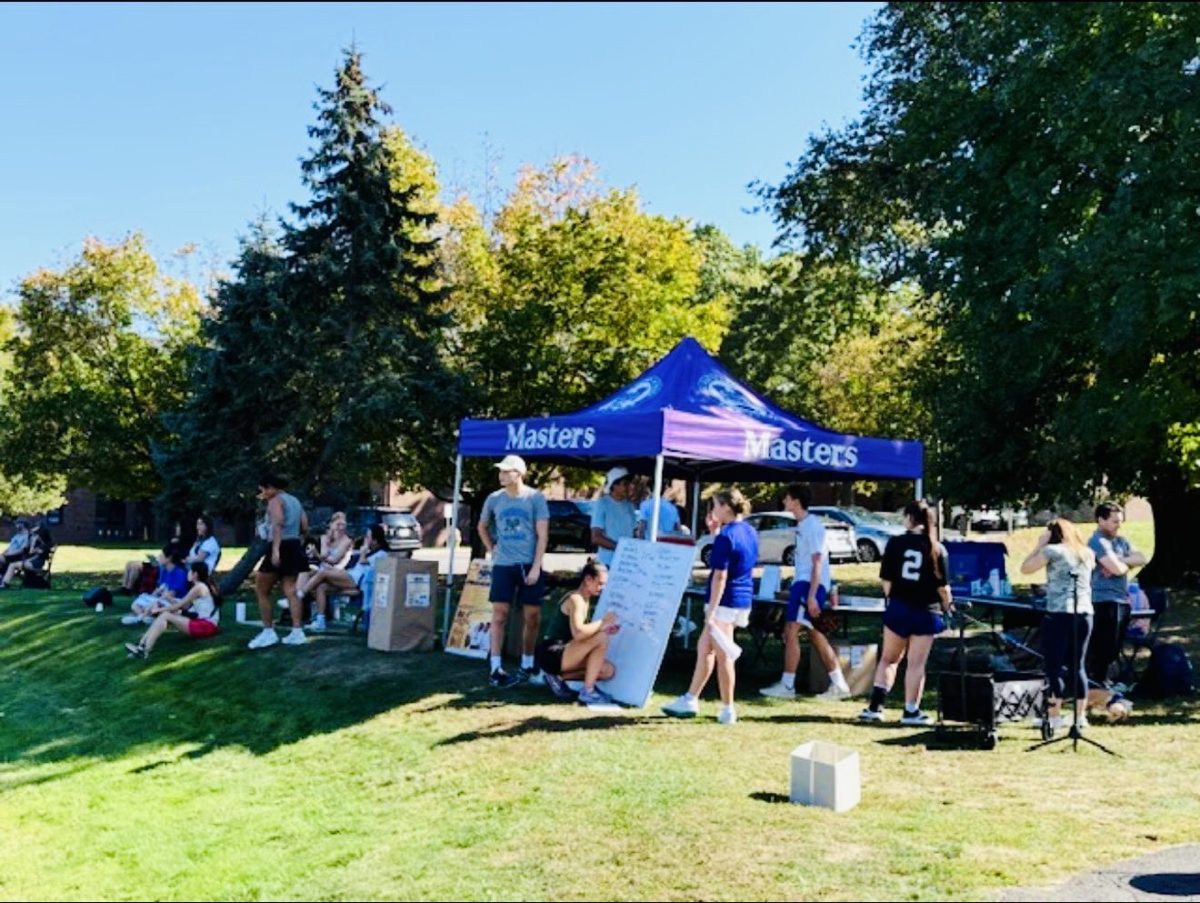
Marie-Louise Miller, the faculty advisor of Masters Interested in Sharing and Helping (MISH), expressed the importance of recognizing the unseen emotional weight that families carry during the season.
“The holiday season is a season that’s constantly advertised. So we hang up wreaths on the doors, and we put up pretty lights and bells. And most of it [the holiday season] revolves around food, or going out and doing things that require money. It’s everywhere, and it creates longing. We live in a society where we compare ourselves with the person next to us down the street.”
Miller continued, “There’s a stress that families won’t be able to make things right for the people they love, because of not having the financial means to match what is advertised.”
According to a poll from the Associated Press-NORC Center for Public Affairs Research, 45% of Americans in households that earn less than $50,000 report that, throughout the past years, it has been more difficult to afford gifts for their children during the holiday season. Rising costs have made it necessary for families to prioritize basic needs, but sometimes at the expense of holiday gifts for their children.
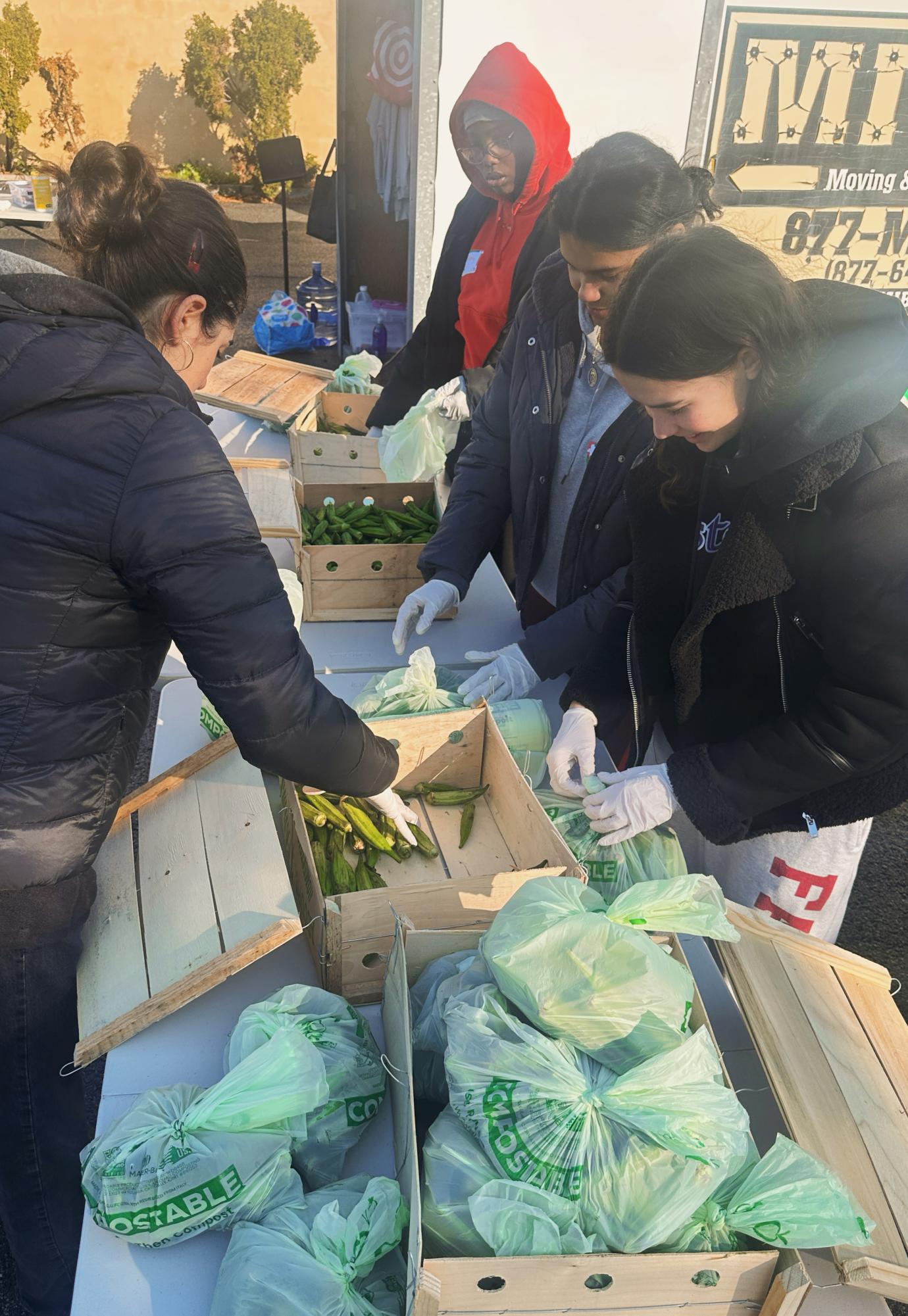
MISH Co-Chair, Gideon Silkowski ‘26, has played a significant role in the organization of food drives during the holiday season. Silkowski said, “People tend to believe that just because they [personally] have some level of wealth… that everyone throughout the holiday season will have gifts and be able to celebrate.”
Silkowski continued, “We are lucky that we are [part] of the few who are able to experience this, and so, I just feel that the biggest issue is that people are not necessarily aware enough that there truly is economic inequality.”
Leydi Rodriguez is the director of community engagement at the Children’s Village, a non-profit organization that supports vulnerable families. “ I think the biggest challenge is paying their bills on time and then still being able to do that extra special thing for their child, whether that’s to have a traditional Thanksgiving meal or to have gifts under the tree,” Rodriguez said.
Rodriguez continued, “ So sometimes, we see that parents have to choose whether they have to pay their electricity bill or buy their kids a gift. So we [the Children’s Village] try to lessen that burden by providing that. We give the groceries and resources that they need, because every kid, and every family deserves to eat and deserves to enjoy the holiday.”