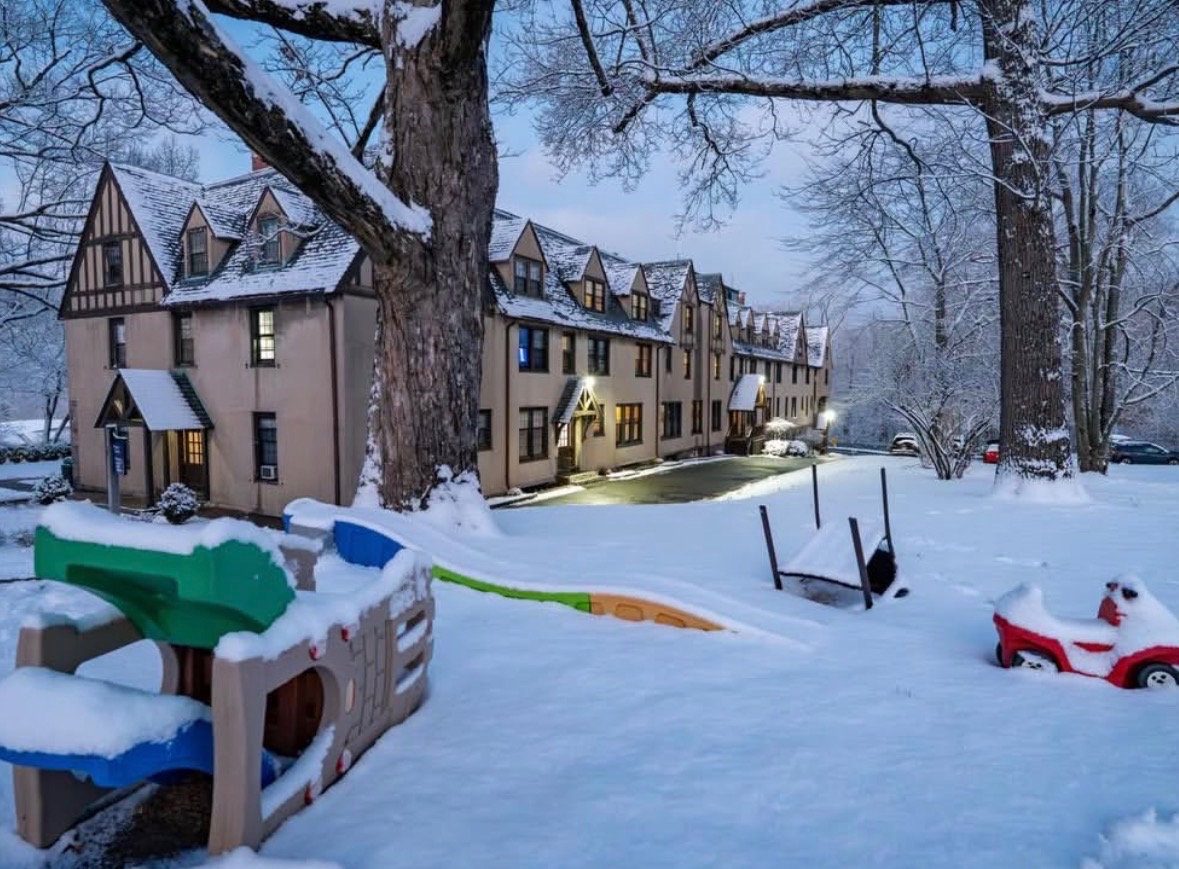



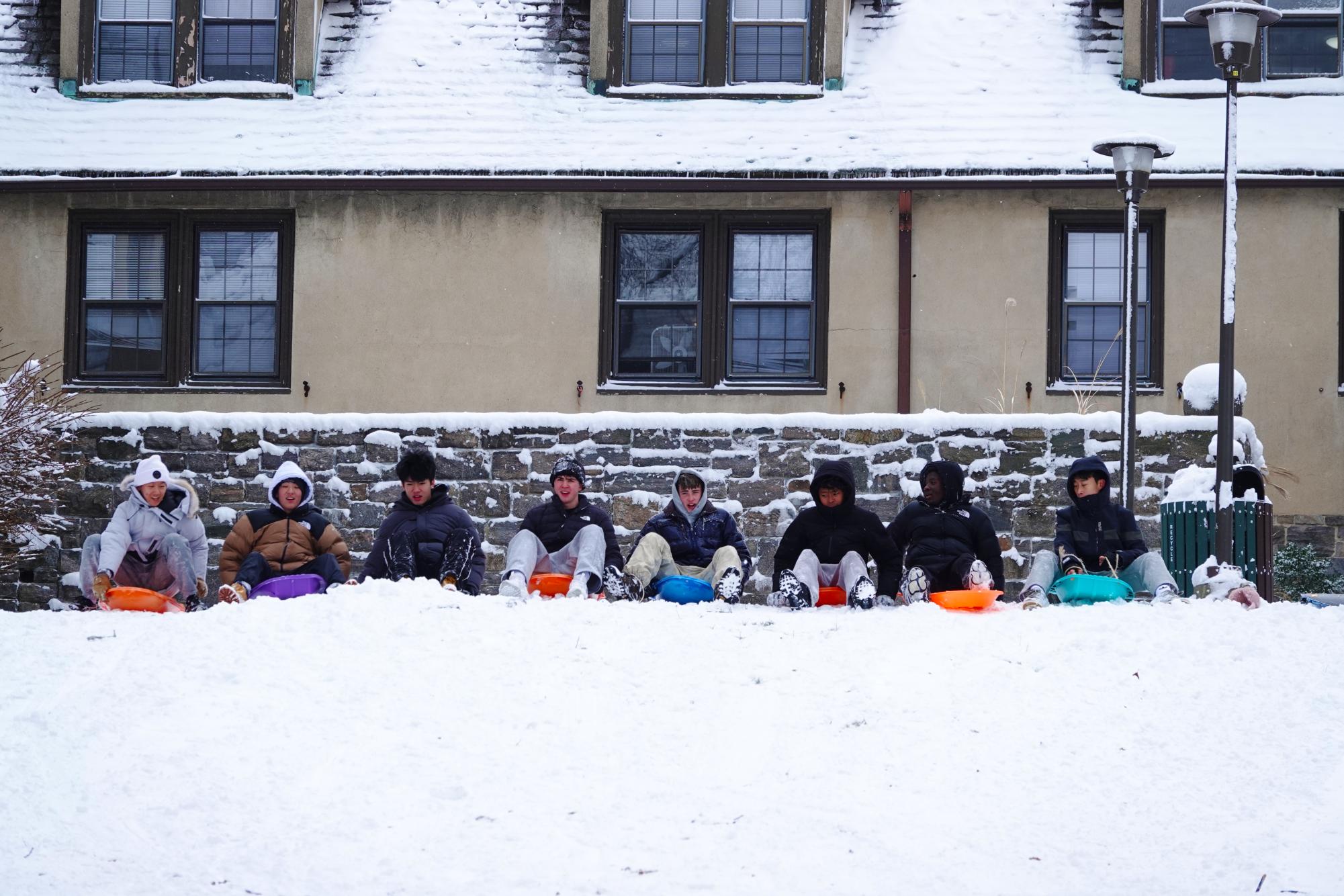
One December morning, more than a decade ago, children in New York City woke up to streets cloaked in fresh snow, tugging on boots before sunrise to leave the first tracks in the fresh powder. It was the city’s most recent white Christmas up until 2024, which is a gap emblematic of a larger shift in winter weather across the United States.
Long-term climate records show that the probability of a white Christmas has steadily declined. A 2024 Dartmouth College study found that seasonal snowpacks across most of the Northern Hemisphere have shrunk over the past 40 years, with the steepest reductions of 10 to 20% per decade in the Southwestern and Northeastern United States. Climate Central reported that nearly two-thirds of U.S. locations now receive less snow than they did in the early 1970s.
According to Science Department Head Dana McNamee, shifts in season timing are one factor. “Fall is happening a little later, which means winter is happening a little later,” she said. “So you wonder if maybe we’re going to see snow a little bit later than we might typically expect.”
Students have noticed changes as well. “When I think back to my favorite winter traditions as a kid, they always revolved around snow,” said Lucille Quackenbush ‘26, a grade representative for the Environmental Club. “As I’ve grown older, there has been less and less snowfall every year, which is really devastating to see.”
As a boarding student, Quackenbush spends the school year on campus and returns to her hometown in Montana during breaks. She said she has seen the same trend play out in both regions. “I’ve noticed a significant decline in snowpack and increased temperatures in recent New York and Montana winters,” Quackenbush said.
According to the National Oceanic and Atmospheric Administration (NOAA), winter precipitation has increased in some parts of the Great Lakes and Northeast, though warmer temperatures often cause it to fall as rain instead of snow.
“You have to be below freezing, and we haven’t sustained that,” McNamee said. “The ground has stayed warm because we haven’t dipped cold enough for long enough for snow to last, even if it does fall,” she continued.
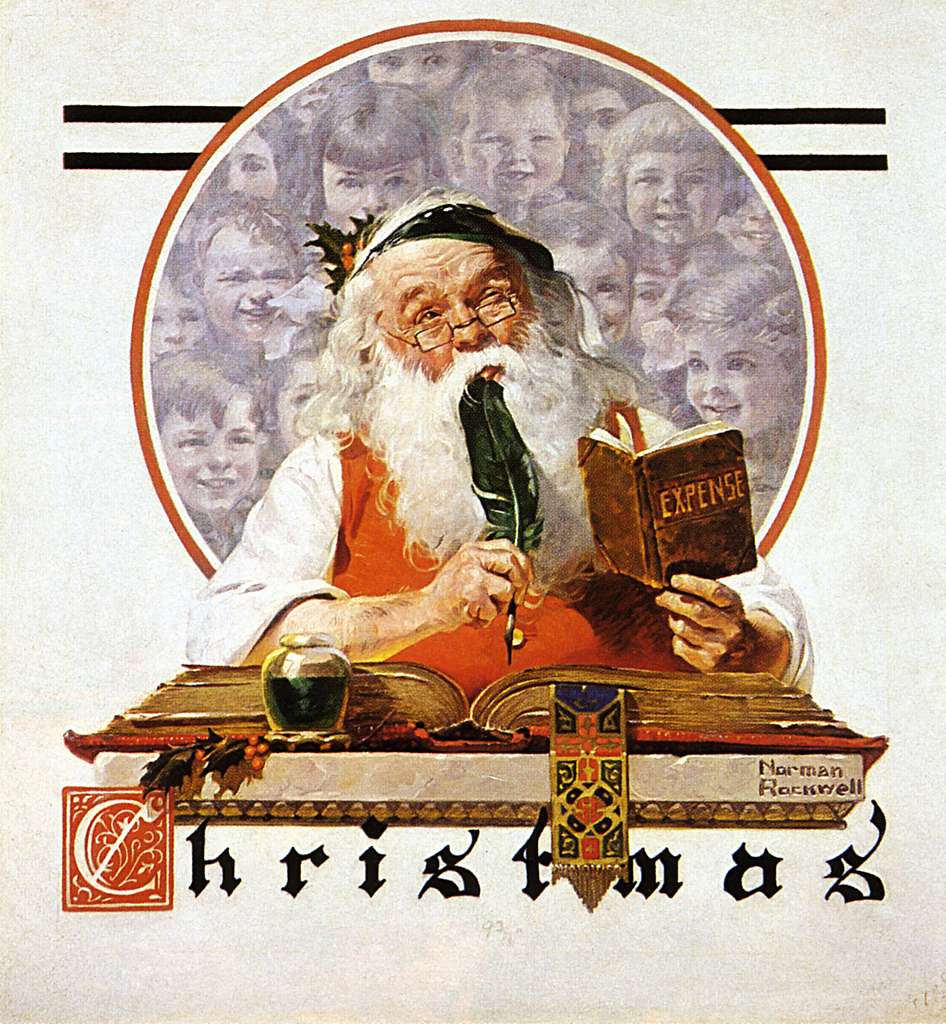
Climatologists and historians note that expectations for a snow-covered Christmas often stem more from memory than the actual state of our climate. The modern picture of a white Christmas took shape in the mid-19th century, when several influential winters were unusually cold and snowy in the Northeastern United States and the United Kingdom. The harsh winters of the 1830s through the 1850s are typically viewed as the period that cemented the visual language of Christmas in literature, music and later mass media.
Irving Berlin’s “White Christmas,” written in 1940, drew on this inherited cultural image, not standard weather patterns. That history helps explain why today’s declining snowfall can feel like a disruption of tradition, although the Dickens-style Christmas was never a guaranteed annual event.
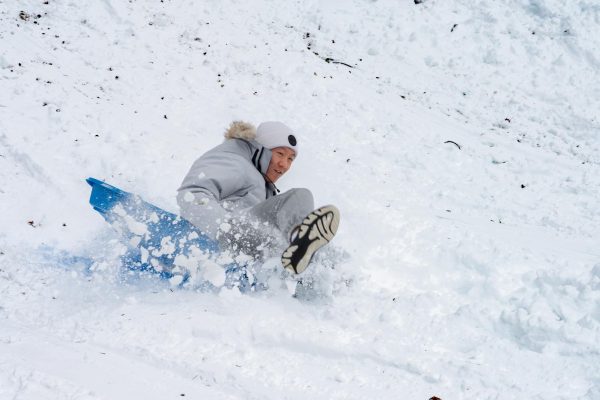
Nathalie Jansky ‘26 shed light on growing up with the hope for a white Christmas. “As a child, I always looked forward to the possibility of having snow on the ground on Christmas day,” she said.
Researchers have described winter as the fastest-warming season in the United States. Although precipitation totals vary, the likelihood that snow falls and remains on the ground for Christmas, continues to decrease in many regions.