
A lot of the music I enjoy is from artists outside my lifetime, whether it is their entire career or their notable peak: Michael Jackson died just before I was born, The Beatles disbanded when my dad was one, Bruce Springsteen released his most celebrated album “Born in the U.S.A” in 1984 and Amy Winehouse passed away when I was learning the ABC’s.
While the live music experience aspect of enjoyment is out of reach for young generations unable to attend these shows, recent movies hitting theaters demonstrate a new way to develop the artist-fan connection.
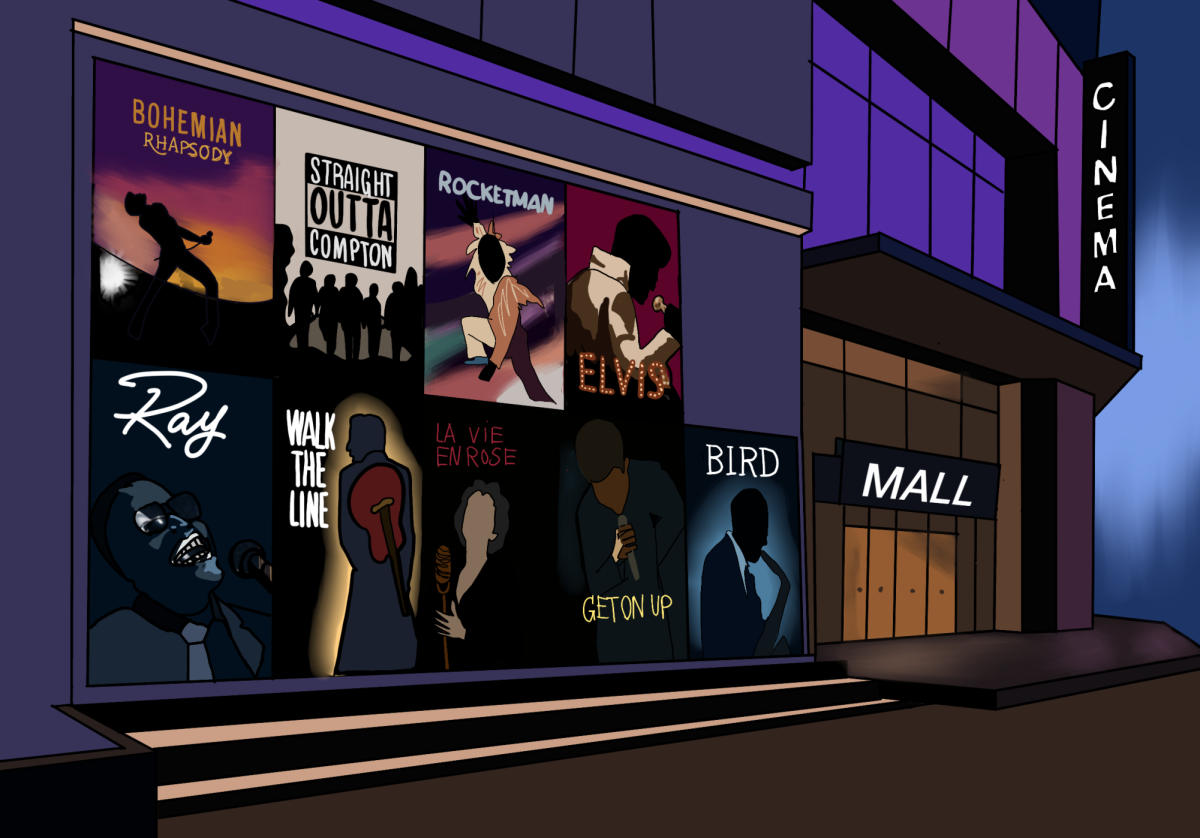
The idea of “music biopics” has been around since the early 20th century with the release of“The Life of Beethoven” in 1927, which is known as one of the first of these films. The Oscars have recently nominated biopics from the years 2018 to 2025: the most recognizable being “Bohemian Rhapsody” (Queen), “Elvis” (Elvis Presley) and “A Complete Unknown” (Bob Dylan). The fresh release of “Michael” (Michael Jackson) is predicted to receive a nomination for the 2027 season. A Beatles biopic is in production.
A partial reason for this emergence is due to the pandemic era, where concert-going was not possible. During this absence of live music, masses of people resorted to social media in an effort to remember when the events would regularly take place. Whether reminiscing about the times where they could experience the electric concert-feeling, or by posting old videos, users communally shared their beloved artists with a global online audience. Movies were a logical next step.
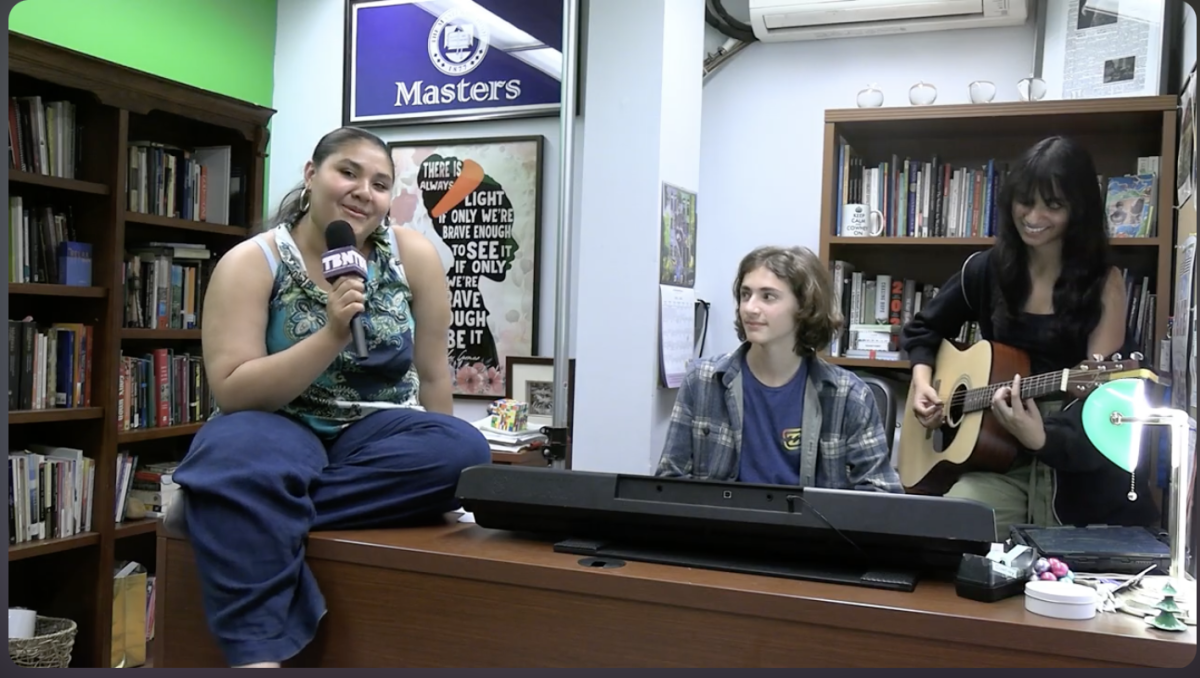
Estela Ostrom, a junior and an aspiring film director, notes how much social media contributed to this rise in biopics.
“Music has always been such a widespread thing and there’s been so much community around it,” Ostrom said. “Especially because of the internet, there are these really strong communities that have popped up and we see how music is being shared more than ever before.”
Biopics are also becoming increasingly popular due to an aligned, guaranteed audience that the producers expect. When original films are put out into the world, the creators behind it have to bite their nails in hopes of laudation. However, biopics have a reliable audience with roots of nostalgia for musicians.
Jack Costo ‘27, a student saxophone player, and a member of performing groups Positive Rhythm and 49 Clinton, emphasizes the audience connection to biopics.
“It’s important to document any type of art, and a movie is a form of storytelling. The audience is expecting to watch the story of someone they love,” said Costo.
While biopics warm audiences’ nostalgic hearts, some skirt the controversies the featured artists have faced.
“Michael” failed to address the serious allegations against Michael Jackson for child sexual abuse. A movie with significant funding from Jackson’s estate, it was bound to only cover his success as the “King of Pop” and challenges against his abusive father during the “Jackson 5” era.
“Of course they wouldn’t want to touch on the serious accusations, and people don’t really want to see such a famous and influential person in such a bad light,” Ostrom noted.
Costo identifies the nuances of directors’ creative liberty.
“If a director only captures the highlights, we’re not given the whole story,” he said.