



Earlier this year, Khair Parris ‘27 was trying to explore an off-limits building that he found on social media. He DM’ed the creator of the video, but the creator declined to provide him the method of entry. But rather than becoming annoyed, Parris understood that the creator was within his rights to gatekeep the spot. This realization highlights a larger truth: that certain places, communities and experiences are best preserved by being kept under wraps.
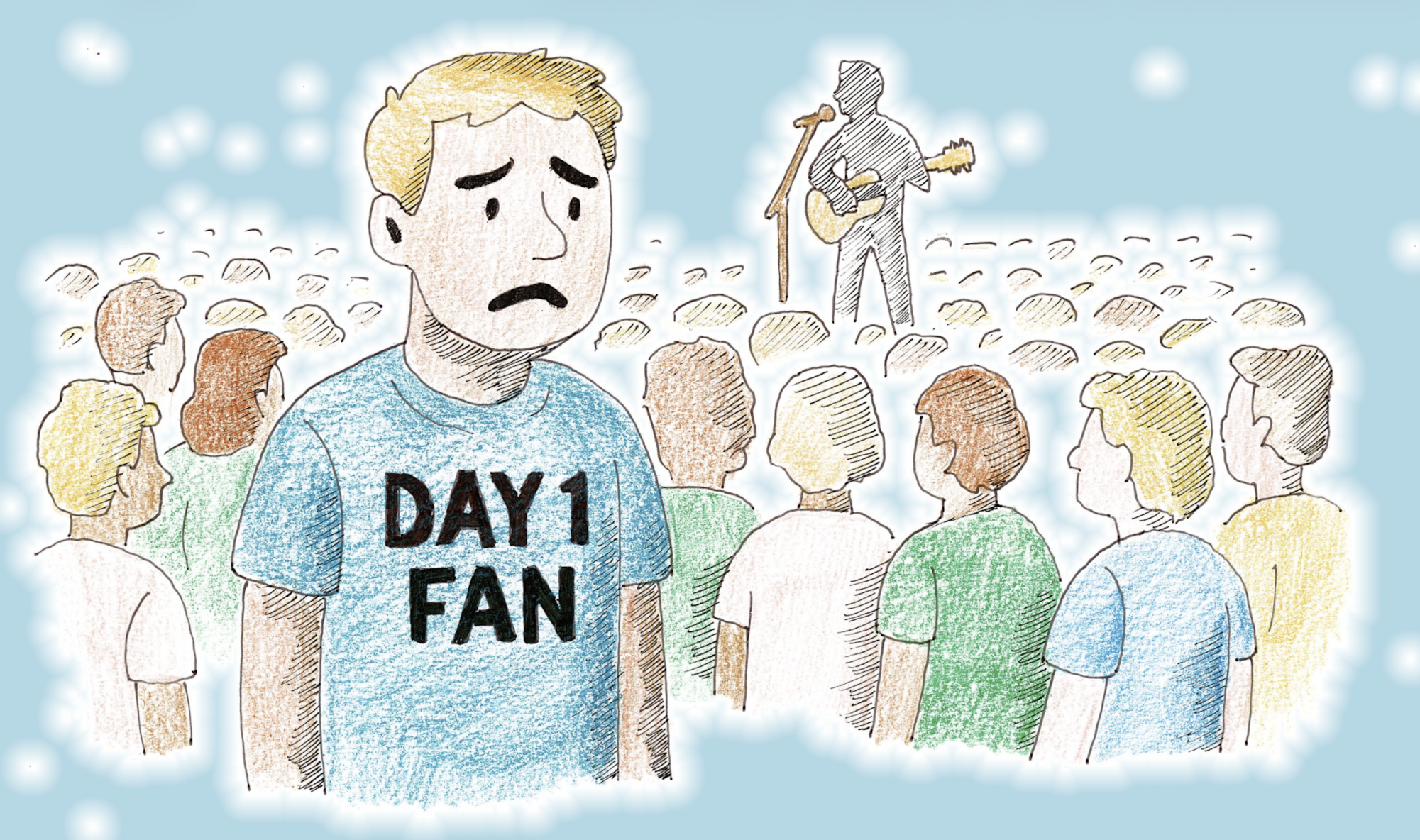
“Gatekeeping” has recently become one of the most criticized actions on the internet. Gatekeeping is controlling access to something, usually in an online setting. This “something” will usually refer to a material good, like an item of clothing, or a form of knowledge, like being privy to an “underground” or niche musician. As the internet and the rise of short-form content continue to transform subcultures into viral sensations, gatekeeping may be necessary to preserve cultures and maintain authenticity.
However, this is not a brand new thing. Punk rock and punk fashion, which emerged in the 1970s as a rebellious, counter-culture movement, has gradually become mainstream, with fast-fashion stores like Hot Topic stripping away the true meaning behind what the subculture was meant to be: a rebellion.
One community that successfully uses gatekeeping is the urban exploring, aka “urbexing,” community. This group explores manmade, often abandoned, structures, such as old factories, abandoned buildings and subway systems.
Urbexers often use gatekeeping to preserve the integrity and cleanliness of a place that they discovered.
Khair Parris ‘27 has been a member of this community since middle school. Parris said, “I’ve seen spots disappear because too many people have heard about them, and it just leads to people who don’t necessarily have the right intentions coming up on that spot and ruining it for the rest of the community.”
Parris also believes that gatekeeping can be necessary not only for preserving spots, but also for ensuring that the community remains underground as a whole. He added, “We urbexers don’t want it to become mainstream because then it loses its magic. You’re opening this frontier that most people can’t see so we want to keep it special.”
It isn’t about exclusion, but more about slowing the process in which culture is washed out by popular media. When a small community becomes a profit-driven machine, the music becomes less soulful, the fashion becomes less interesting and being in the know isn’t special.