


A ring on my laptop kicked off my Lunar New Year. My aging grandma, persistent in seeing the whole family on this holiday, called for a FaceTime. But I was in class, and had no choice but to hang it up in guilt. What once was the most vibrant Eve faded into another mundane school day. Adding lunar new year to the Masters calendar would allow us to pick up traditions we left behind.
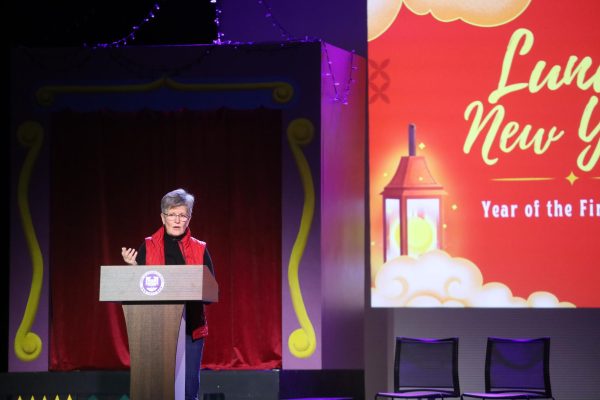
“Lunar New Year is the most celebrated holiday in many Asian cultures, including Chinese, Vietnamese, Korean, and others,” the Associate Dean of Global Studies and Mandarin Teacher Penny Peng introduced. In New York, Asian American and Pacific Islander communities total over 2.17 million, about 10.8% of the state population. At Masters, these groups represent a significant proportion of the student body. Indigenous people also celebrate the Lunar New Year this time of the year, including Mexico’s Purepecha group.
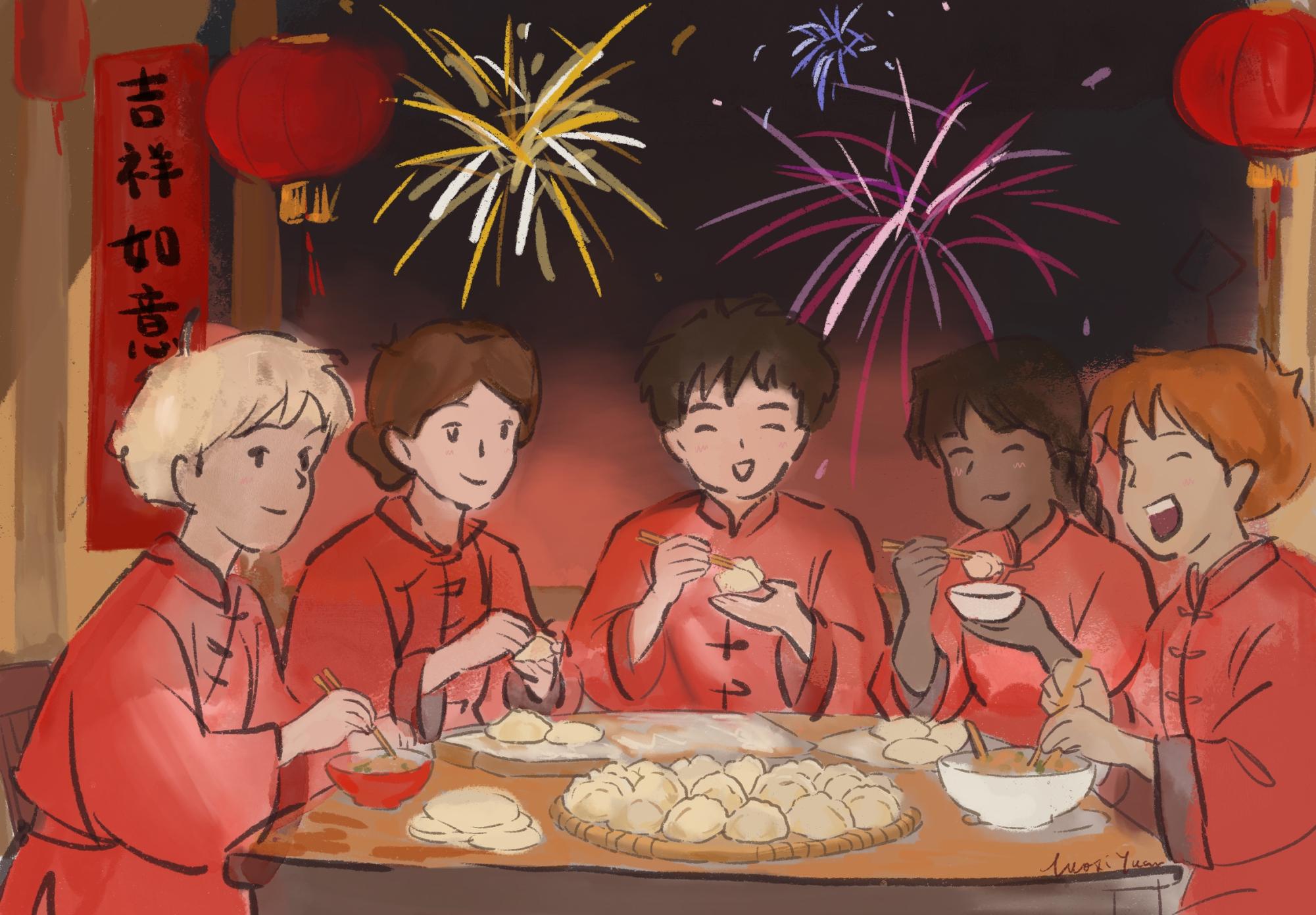
For me, staying in class during the holiday reduced it to an online event. My celebration was barely opening the virtual red envelope and rushing through phone calls over the lunch break. The taste of dumplings and the sound of firecrackers reached me only through TikTok. Since the International Club’s party often takes place a week after the actual eve, many students grapple with loneliness and disconnection during this holiday.
Masters’ policy states that students can request to be excused from classes to observe a religious or cultural holiday, but they must catch up on the missed work themselves. This policy creates a dilemma, forcing a choice between academic and cultural celebration.
In fact, the need to request a day off is inherently exclusive. It leaves Lunar New Year as a reserved, optional celebration rather than one embraced by the school as a whole. If we keep the holiday closed off, students outside of AAPI communities have little incentive to pay attention to it. As Peng said, “we want students to be global citizens,” yet the holiday’s influence remains limited to those already familiar with it, as the party is attended predominantly by Asian students. A break could give a wider range of people the chance to pause, notice, and be a little more curious about different cultures.
Indeed, the winter calendar is already tight, with two long breaks, WinterMission, snow days, and a four-day presidential weekend. Inserting another official day off means further squeezing. Administration also needs to consider fairness across cultural observances that are not documented in the school’s calendar. The schedule difficulty might be addressed through switching Professional Development days or aligning the day off with an existing long weekend.
Two years ago, the Governor of New York, Kathy Hochul, signed a law to make Lunar New Year a mandated closure for all public schools. Shouldn’t Masters, a school that prides itself on diversity, be more committed to publicizing AAPI culture and heritage?
On the threshold of a new year, it is time to initiate our first school-wide celebration. Peng shared that she may introduce a “red day” in which the entire school wears red attire. She continued, “Red decorations can cast away the hideous monster Nian in the legend, and bless fortune to the whole school.” These could be invaluable moments in bringing our communities together and integrating the Lunar New Year into Masters culture.