


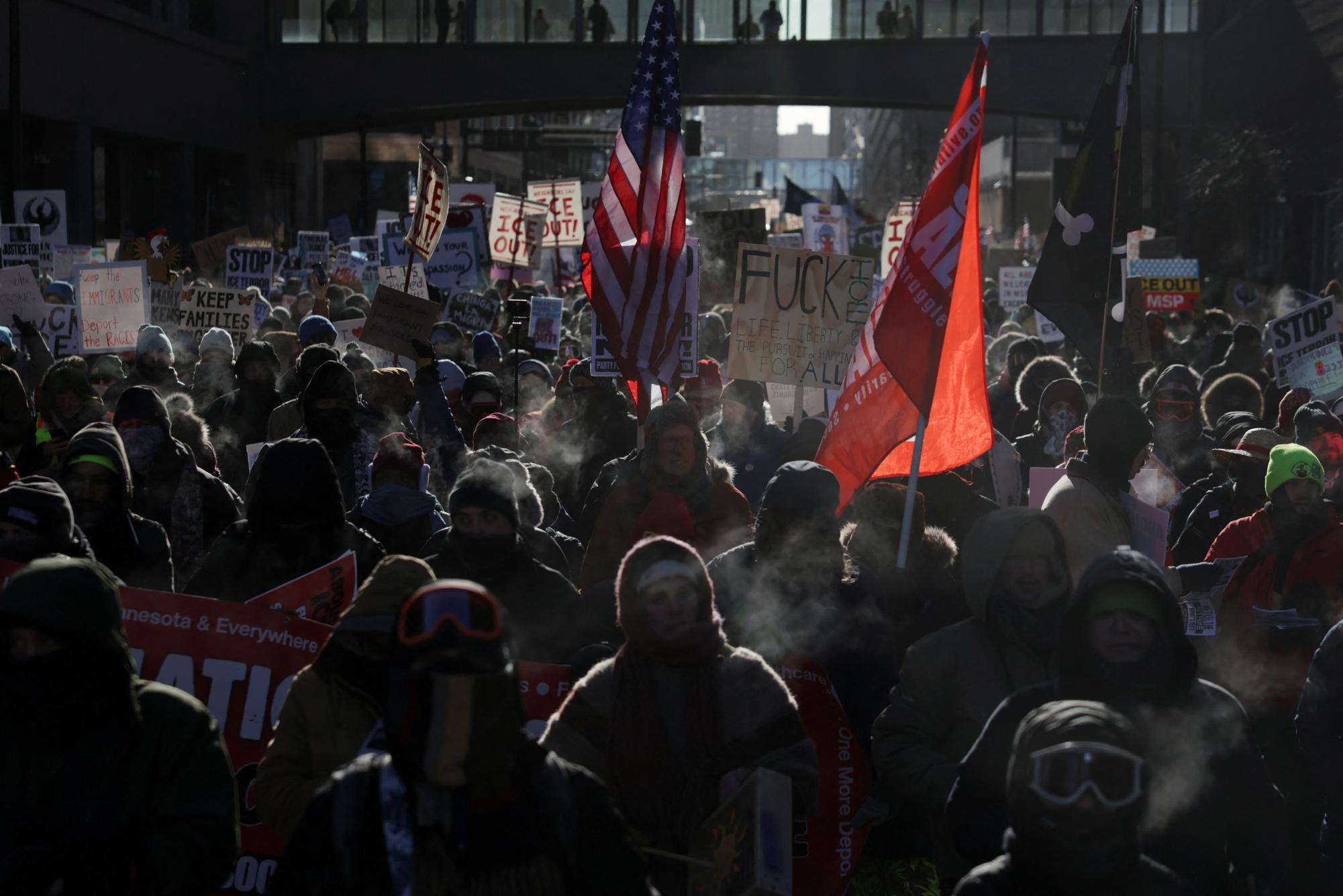
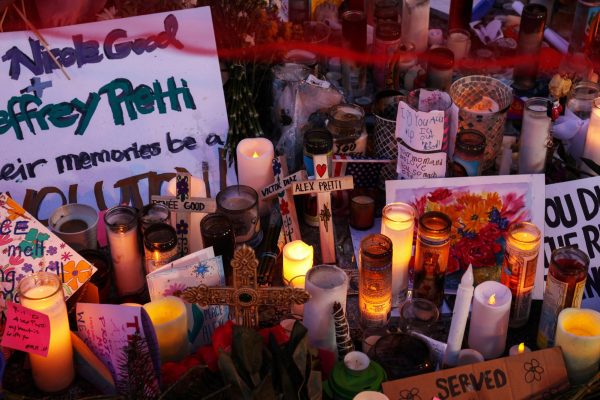
Five years after the murder of George Floyd in Minneapolis sparked national outrage and worldwide protests, the same city now faces new demonstrations against the brutality of U.S. Immigration and Customs Enforcement (ICE) agents, who have killed two Minneapolis citizens in the past month.
Alex Jeffrey Pretti, a nurse at the Minneapolis Veterans Affair (VA) hospital, was killed on Jan. 24. He was participating in the anti-ICE protests that began after Minneapolis citizen Renee Good was murdered by ICE agents on Jan. 7. Footage from various witnesses depict Pretti trying to help another civilian stand up before being pepper-sprayed and shot ten times by an agent, less than two miles away from where Good was attacked three weeks before.
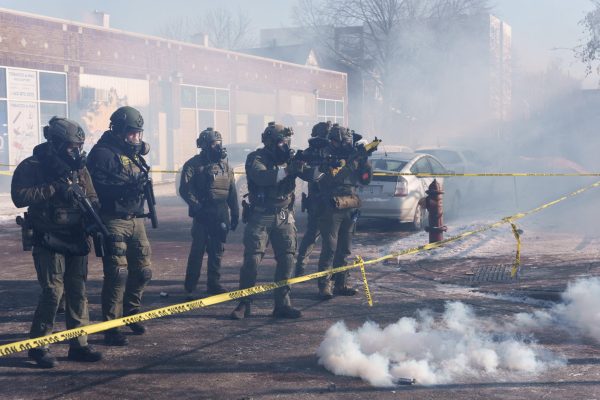
After his murder, the Department of Homeland released a statement on X saying Pretti approached the law enforcement officers with a 9mm semi-automatic handgun, justifying the agents’ shots as a defense act. Witness testimonies and slowed video footage of the scene from CBS news shows Pretti holding a cell phone instead of a gun.
Former Tower photo editor who graduated from Masters in 2019 and current photojournalist fellow for the New York Times, Vincent Alban, flew to Minneapolis to photograph the anti-ICE rallies. Alban has already covered gun violence, the 2024 presidential election and other protests in the past, but he said he asked to cover the Minneapolis protests because of his interest in immigration-related issues. In Minneapolis, he took a photograph of a man being pepper-sprayed while pinned to the ground by Border Patrol agents, which received widespread attention online, drawing in millions of views, becoming the front page image of The Minnesota Star Tribune and being featured in the morning newsletter of the New York Times.
When Alban arrived in Minneapolis, he said he was amazed by the number of activists and community members tracking ICE vehicles across neighborhoods and monitoring their overall operations.
Although U.S. citizens have the legal right to watch and record police officers, Alban said he noticed aggressive reactions from ICE agents when individuals filmed their actions.
He said, “I’ve seen many incidents where [agents] are calling activists domestic terrorists for recording them and filming them, even though we all know we have the constitutional right to film law enforcement. I watched agents almost break the window of activists for following them.”
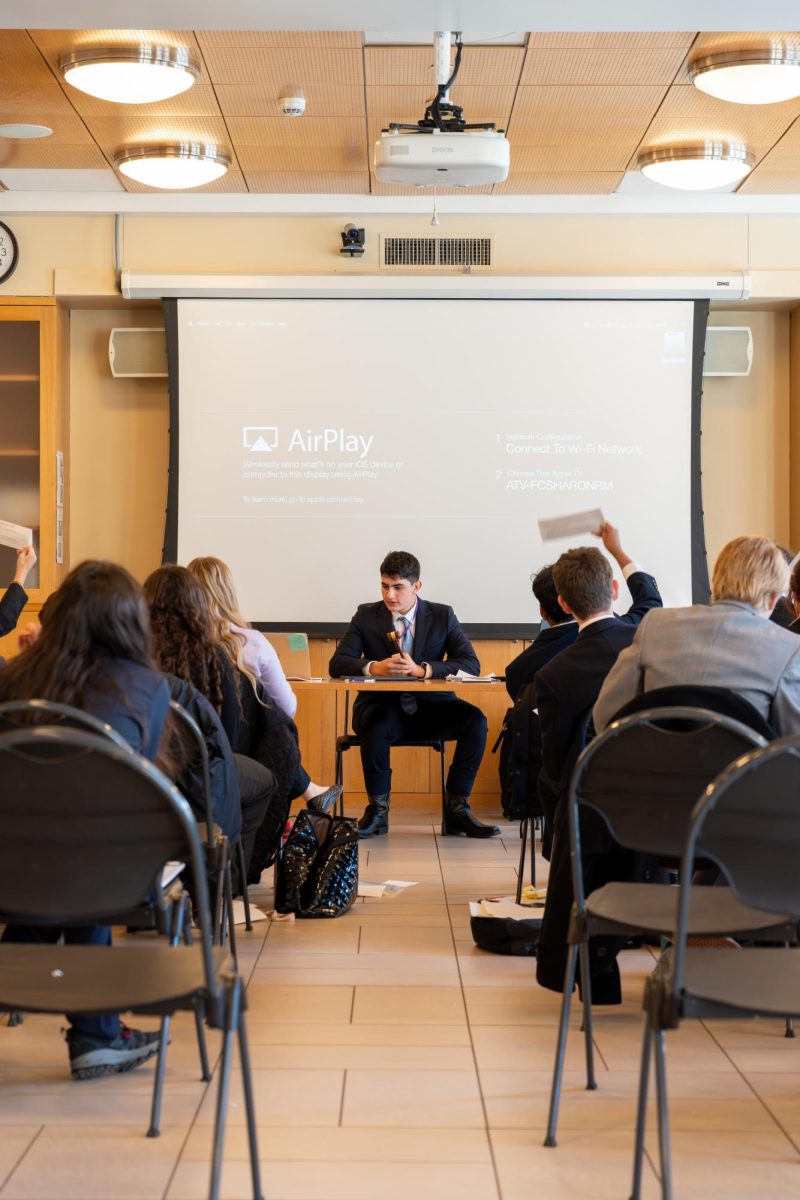
On Jan. 27, English Department Chair Miriam Emery facilitated a discussion in her AP English Language class about the Minneapolis protests and the murder of Pretti over the weekend. Emery said she wants students to be aware of their rights, such as their freedom to voice their opinion, especially amidst the rise of anti-ICE protests in recent months.
“I want to give [students] a place where they can talk to their peers. I hope students know their rights when it comes to filming [protests], which is a constitutional right.”
She continued, “I don’t want students to put themselves in the face of danger, but I do wish more students would see the [significance] of what’s happening. The [people in Minnesota] are taking a hit from America, and that’s what they did all week, in like negative temperatures. They are total heroes.”
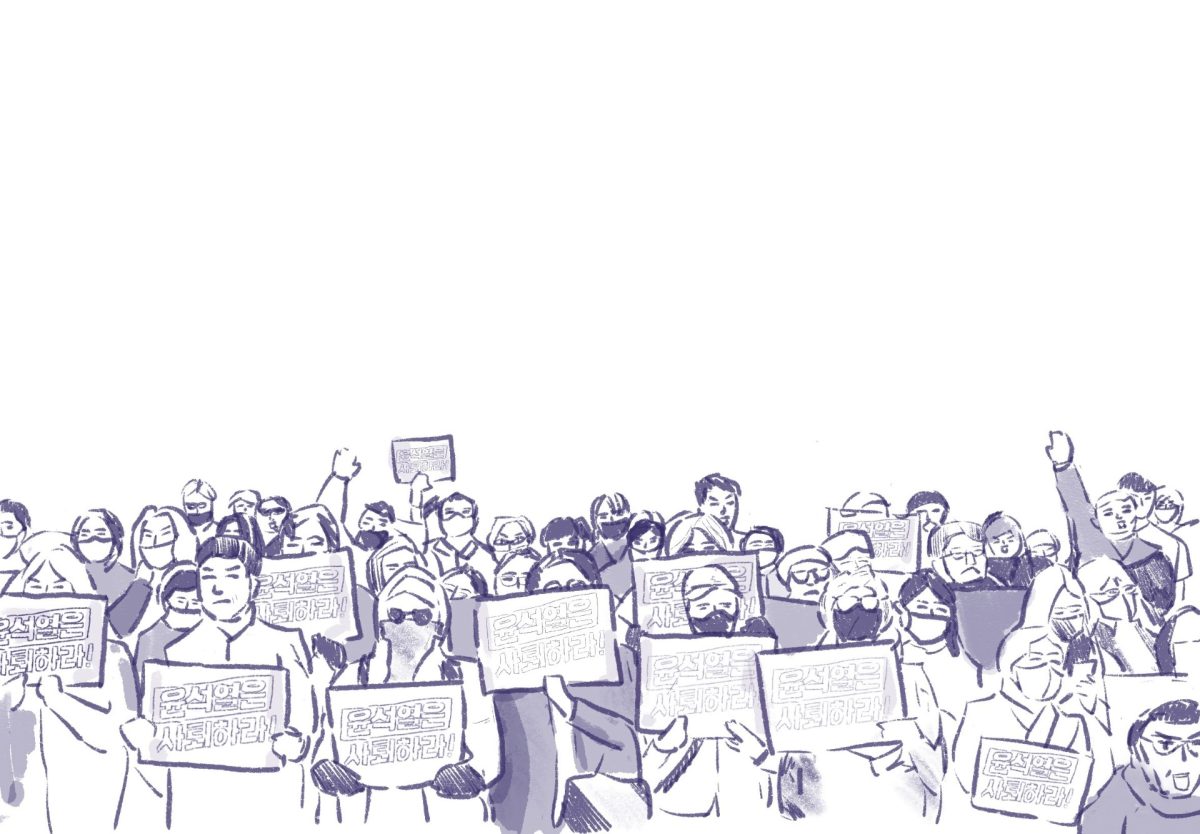
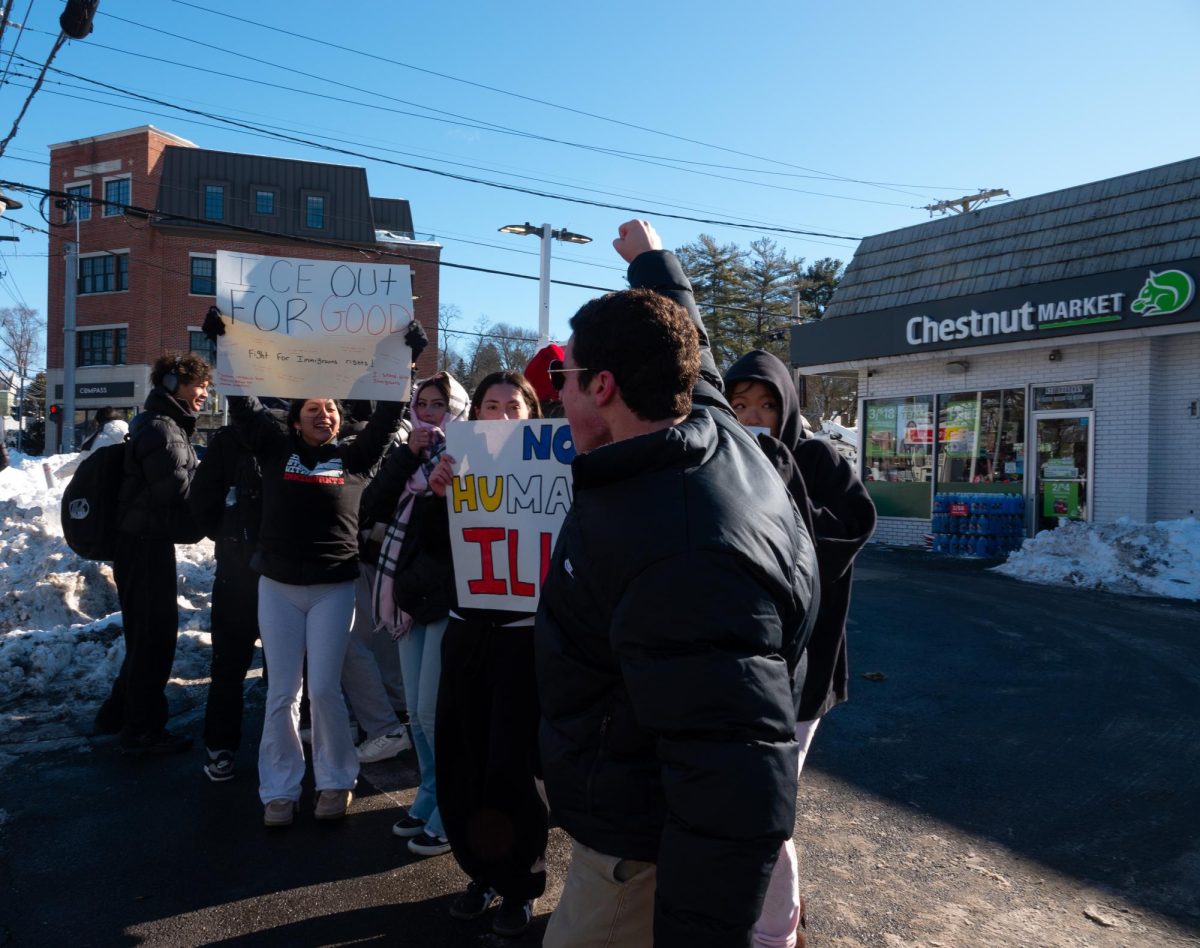
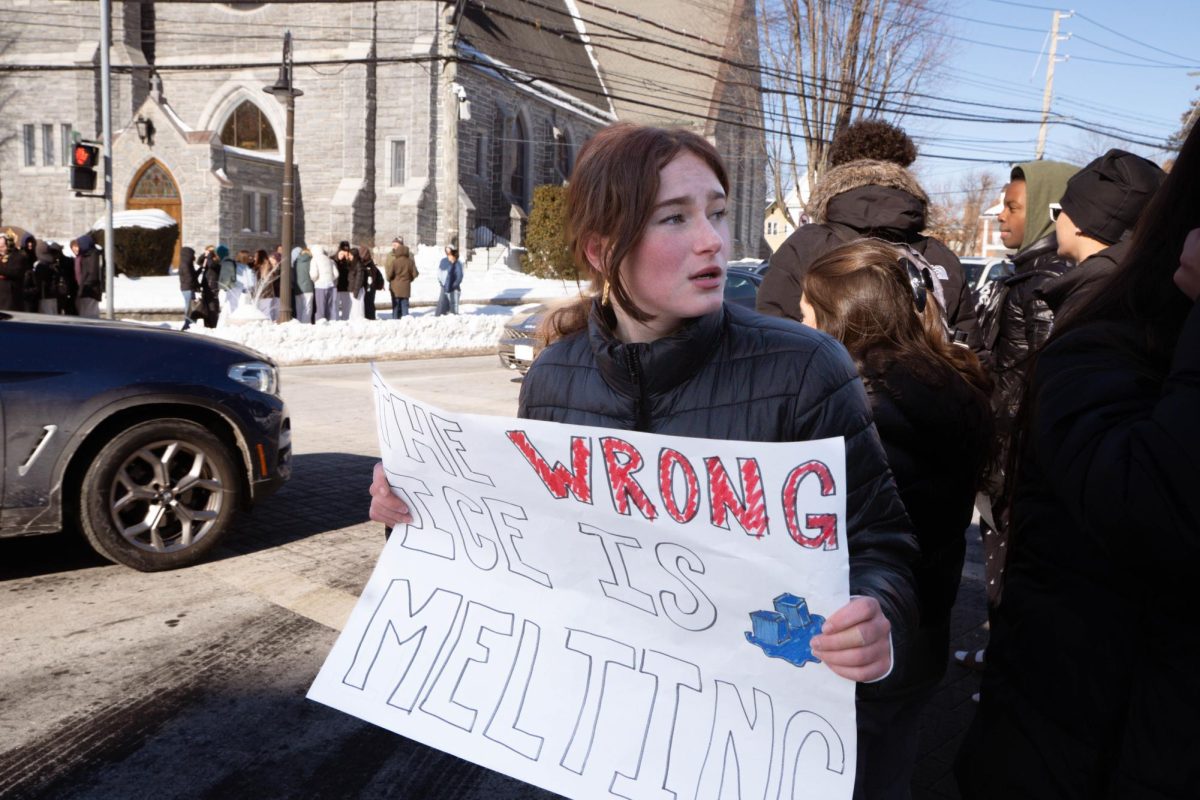
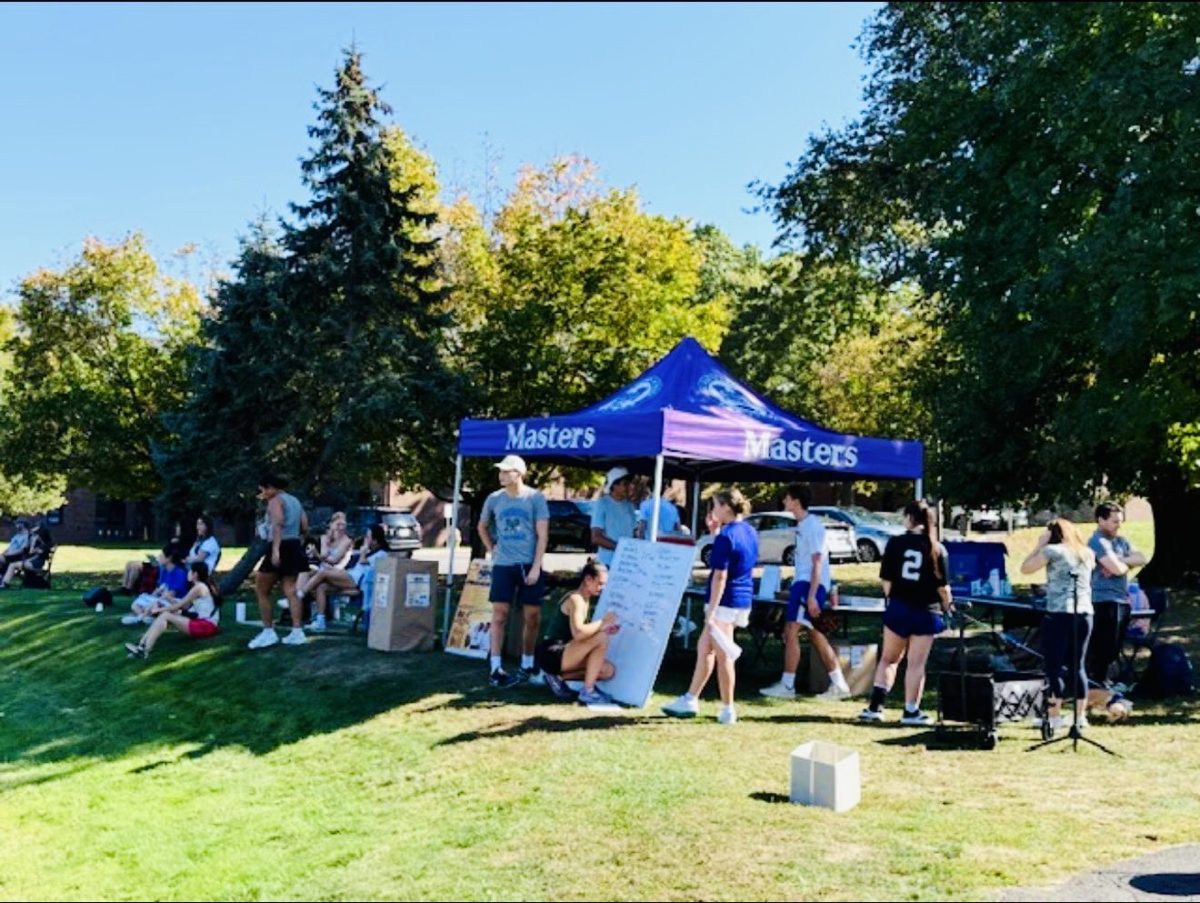
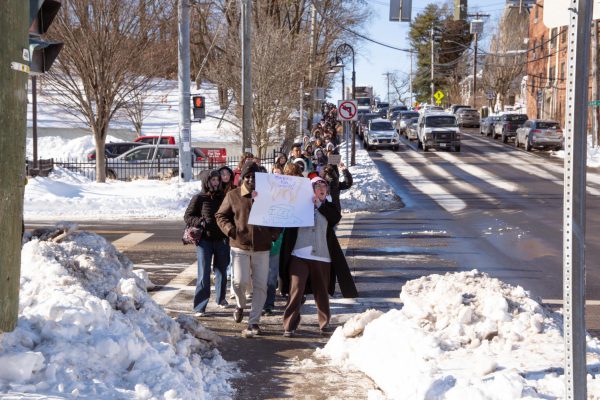
On Friday, Jan. 30, about 200 Masters students, faculty and administrators participated in an anti-ICE walkout in Dobbs Ferry in 16-degree temperatures to honor National Shut Down Day, a one-day national protest against ICE in which citizens are encouraged to not spend money, work or attend school.
Sophomore class president Sally Dwek, who helped organize the walkout at Masters, said, “I personally wanted to come out in solidarity of support against ICE and everything happening, especially in Minnesota, all the kinds of things that ICE has been doing. I just wanted to come out to stand up and protest against it, and for everyone to come together.”
Similar scenes unfolded in Minnesota, where Alban witnessed protesters of all different demographics coming together in below-zero degree weather to protest ICE. He even watched Somali men hand out traditional African food to protesters.
Free food was not uncommon during the protests; hundreds of businesses in Minnesota closed on Friday in support, but a few stayed open to offer food without charge.
Despite the wide range of people, everyone shared a similar sentiment and slogan.
Alban shared the message he saw. He said, “The overall message was ‘f— ICE.’ People don’t want this anymore, you know, this is the city where George Floyd was killed. Minneapolis started becoming known as this city of resistance, city of community or activism. They’re not afraid to speak up. And, in 2020, it was essentially the same slogan. It was ‘abolish the police.’”
Even with the parallels, the current Minneapolis protests differ from previous demonstrations. Alban said he faced more rigorous safety precautions than he had in the past.
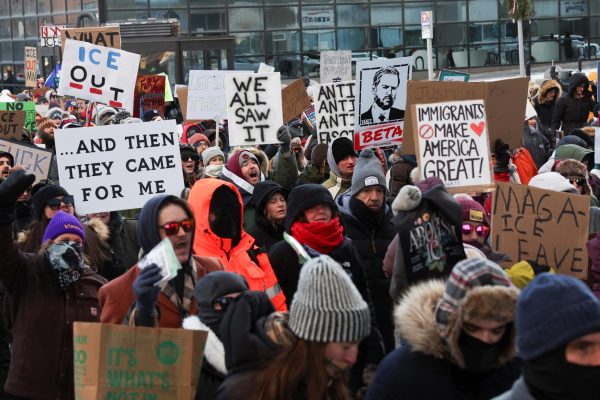
“It’s not my first time covering protests and not my first time covering immigration actions, but it was a much more escalated situation than past ones I’ve been in.” He continued, “I have to sort of always be watching my back and looking for a way out of any situation, but also staying in the moment as long as possible to capture the [events] in an authentic way.
One moment that stood out to Alban was when he saw an ICE agent break a woman’s window, pull her out of her car and detain her for watching an ICE enforcement action struggle.
When observing such intense scenes, Alban said he focuses on why he is there.
“It’s like an adrenaline rush. You know, you’re really right there. It’s captivating. It can be hard to focus at times, but having a camera is really a way to ground myself in that moment because I have a purpose for being there. I’m there to document, and so by focusing on photographing, it keeps me present.”
As more protests draw national attention, Alban said journalism is especially important for documenting events on the ground.
He said, “[Journalism gives] a firsthand account of what’s happening. Seeing or reading recordings from people who are on the scene is pretty critical. It is a pretty important time to be supporting local news, especially [now].”