



My jawline isn’t defined enough, my skin isn’t clear enough, my facial structure isn’t masculine enough. These aren’t faraway concerns of many young men; they are a real consequence of modern media and toxicity.
“Looksmaxxing” is the process of “maximizing” your appearance through methods ranging from skincare and fitness to cosmetic surgery and extreme weight loss.
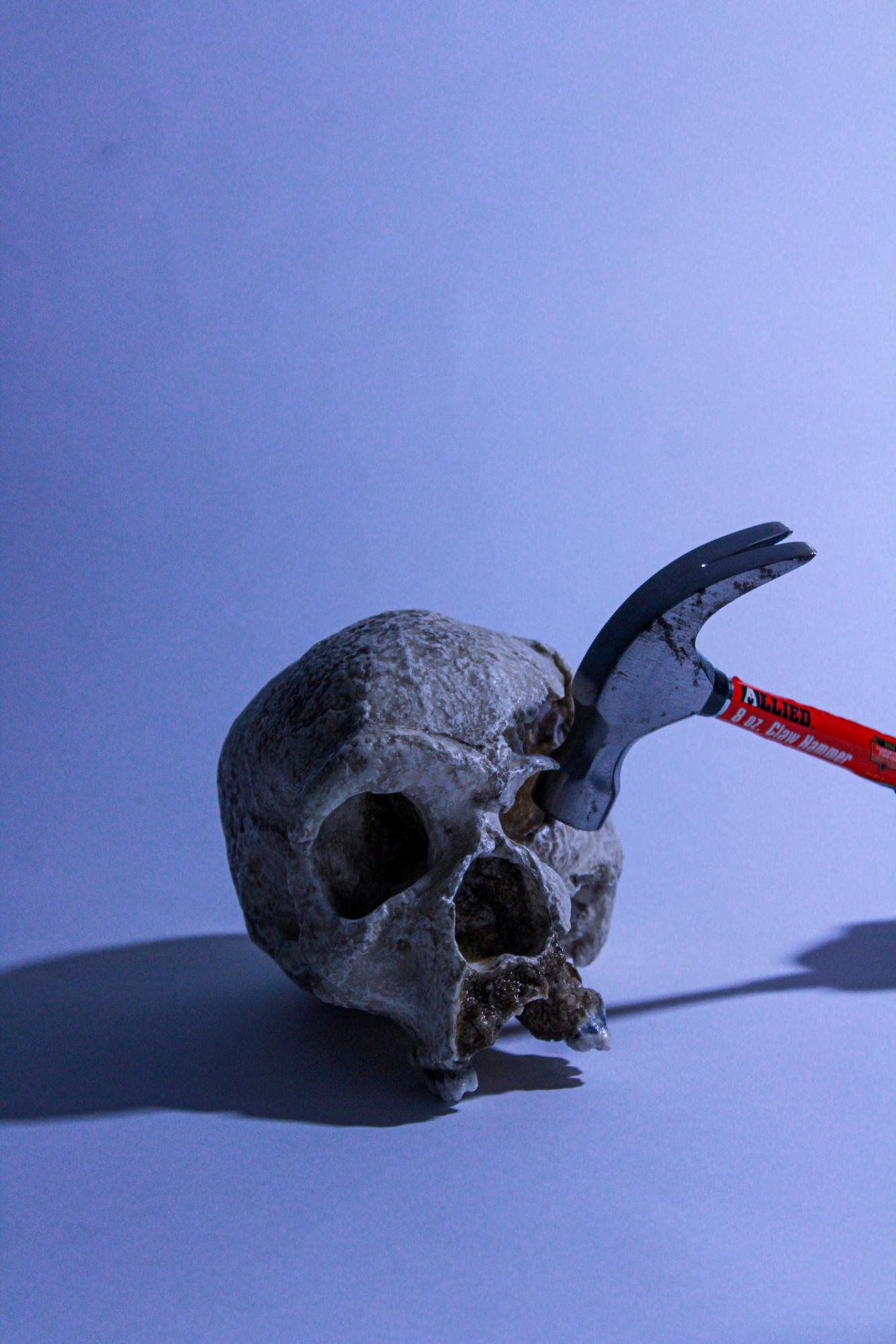
Despite gaining popularity in recent years on platforms such as Instagram and TikTok, looksmaxxing has been around since the 2010s, originating on message boards like 4chan. In these discussions, users discuss “hardmaxxing,” which involves permanent facial structure changes through extreme methods like surgery.
Around 2022, looksmaxxing emerged from the depths of internet culture to the front page of TikTok, with creators promoting “softmaxxes” like using a gua sha (a tool to help lymphatic drainage and promote decreased facial fat) and going to the gym instead of hardmaxxes.
This trend, rooted in male insecurity, reflects a substantial gap in men’s mental health compared to women’s mental health. According to the National Center for Health Statistics, men commit suicide at a rate approximately four times that of women.
Furthermore, the role of women as supporters of each other seems to be on the rise, whereas male support structures seem to be crumbling.
Eileen Kang ‘26 said, “I’ve actually seen more confidence in positivity and support in the female side of the internet and I’ve seen more men driving other men down or men comparing themselves to other men who they think are more attractive.”
This gap in mental health has existed long before the creation of social media, but there is no doubt that social media has had an impact on the mental health of people of all genders.
Associate Dean of Health and Wellness Jodie Goldberg said, “I think generally, beauty standards have remained the same in terms of expectations, but the pressure on people has increased because of how much access we have to one another visually, mostly in social media, and how much freedom people feel they have to comment on other people’s looks.”
Regarding the negative mental health effects of social media in general, Upper School counselor John Price said, “My concern is that people get a false view of what is reality and what is realistic in terms of body image for both boys and girls. Honestly, it’s not just a female problem.”
Oftentimes, people can take looksmaxxing to extremes, and cause irreparable damage to their physical and mental health.
Gideon Silkowski ‘26, speaks from experience when he says that, “Looksmaxxing is dangerous. It has some good messaging behind it, mainly the ideas of self-betterment and the virtue of constantly trying to be the best thing, which I do sympathize with. But the way that it’s going about nowadays is all wrong.”
Silkowski experienced major health problems as a result of looksmaxxing. He intentionally lost 90 pounds over the course of four months after his ninth grade year, causing heart failure and forcing him to wear a heart monitor. Silkowski said, “I saw all these people online talking about their perfectly sculpted bodies, and I constantly got to the point where, even at just 14 years old, I was thinking, ‘If I’m not like that by 18, I’ve failed in doing something.’”
At the forefront of the looksmaxxing community lies 19-year-old internet personality Braden Peters. Known online as Clavicular, Peters has amassed a large following across popular social media platforms like Tiktok and Instagram by pushing harmful looksmaxxing rhetoric. Peters attributes an individual’s worth in society based on their physical attractiveness.
Peters’ content is shown to millions of children and young adults daily, who spend hours watching short-form content daily. On top of looksmaxxing videos, this creates more of a chance for viewers to feel anxious and obligated to change themselves. According to Handspring Health, adolescents who spend large amounts of time on social media have reported having a negative self-perception and tend to compare themselves to others more often.
Jack Ma, a junior at Tappan Zee High School in Orangeburg, NY, explained why teens get sucked into looksmaxxing and find it appealing. He said, “ It sprouts from insecurity.”
From looksmaxxing, Ma has accepted the idea that achieving peak attractiveness will inevitably allow you to achieve more in life. He stated, “You’d be more noticeable if you’re more ideally attractive or taller. It will definitely give you more of [memorable] face. Like someone would notice you more. Give you more attention.”