For millions of Americans, a simple act like registering to vote could soon become far more complicated. More than 140 million Americans do not have a passport, and tens of millions — especially married women whose legal names differ from their birth certificates — could face new barriers as the Safeguard America Voter Eligibility (SAVE) Act is considered in the Senate.
The Republican majority in Congress has prioritized the SAVE Act, proposed by Rep. Chip Roy of Texas, which is now being considered in the Senate. While framed as an effort to prevent undocumented immigrants from voting, that justification is misleading: noncitizen voting in federal elections is already illegal and extremely rare, with existing systems in place to verify eligibility.
What the SAVE Act actually does is shift the burden of proof onto voters themselves. It would require Americans to present documents like a passport or birth certificate in person when registering to vote, effectively eliminating online, mail-in and many third-party registration methods.
The consequences would be significant for millions of Americans. Transgender Americans and Native voters, who already encounter obstacles due to documentation inconsistencies or geographic isolation, would be further marginalized.
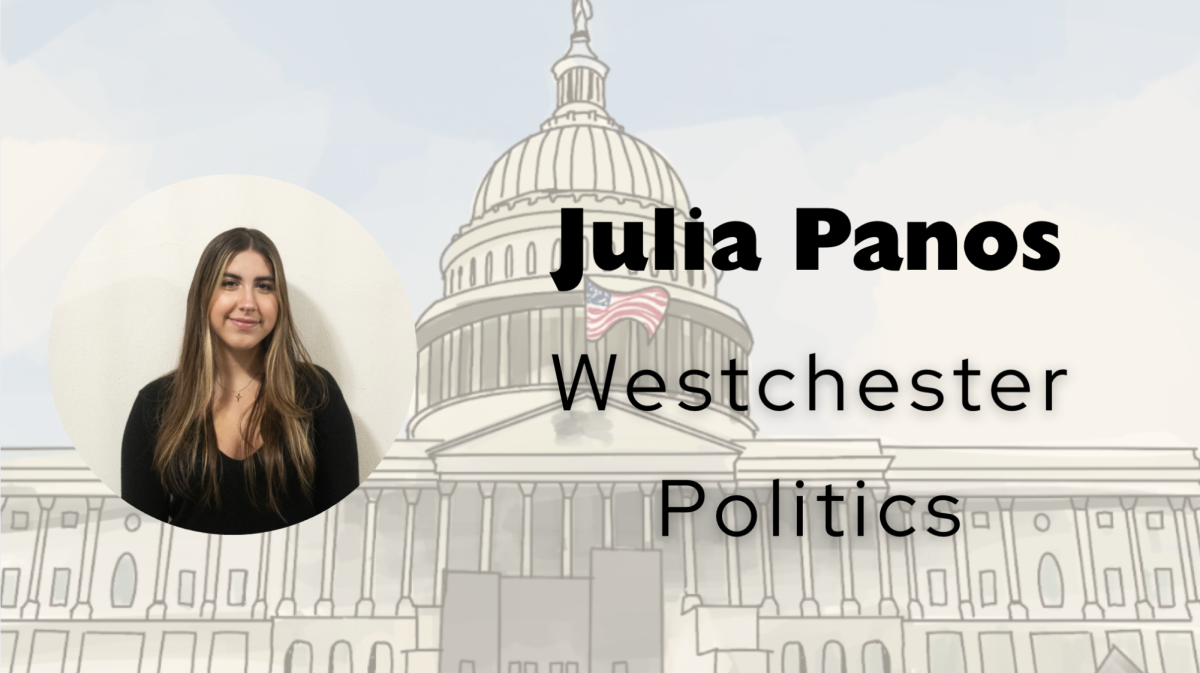
Here in Westchester County, the impact would be immediate. Voter participation is high, but it depends on accessibility. Many residents — including students, first-time voters and busy families — rely on online or mail registration. Removing those options would make civic participation more time-consuming and, for some, practically inaccessible. In a community like Dobbs Ferry, where schools encourage civic engagement, this sends the wrong message: that voting is not a right to be protected, but a hurdle to be cleared.
Supporters argue the bill strengthens election integrity. But when a problem is already illegal and statistically negligible, imposing sweeping new restrictions raises a different question: who is actually being protected — and at whose expense?
For students and young people, the stakes are real. Policies shaped by elected officials affect education, climate action and economic opportunity. Making it harder for new voters to register risks silencing the very voices that will live longest with those decisions.
If you care about this issue, don’t tune it out. Follow the bill’s progress in the Senate, contact your representatives and get involved in local voter registration efforts. Regardless of where you stand politically, access to voting shapes every other issue. Limiting that access does not strengthen democracy, it weakens it.