


Food waste consumes our livelihood
In our society, food and waste are practically synonymous. Trash cans and dumpsters around the world see billions of pounds of perfectly edible, usable ingredients, produce, and meals discarded every day. In fact, almost one-fifth of food produced annually is wasted, showing that global hunger is amplified not by a lack of food, but by the disturbing misuse of such a valuable resource.
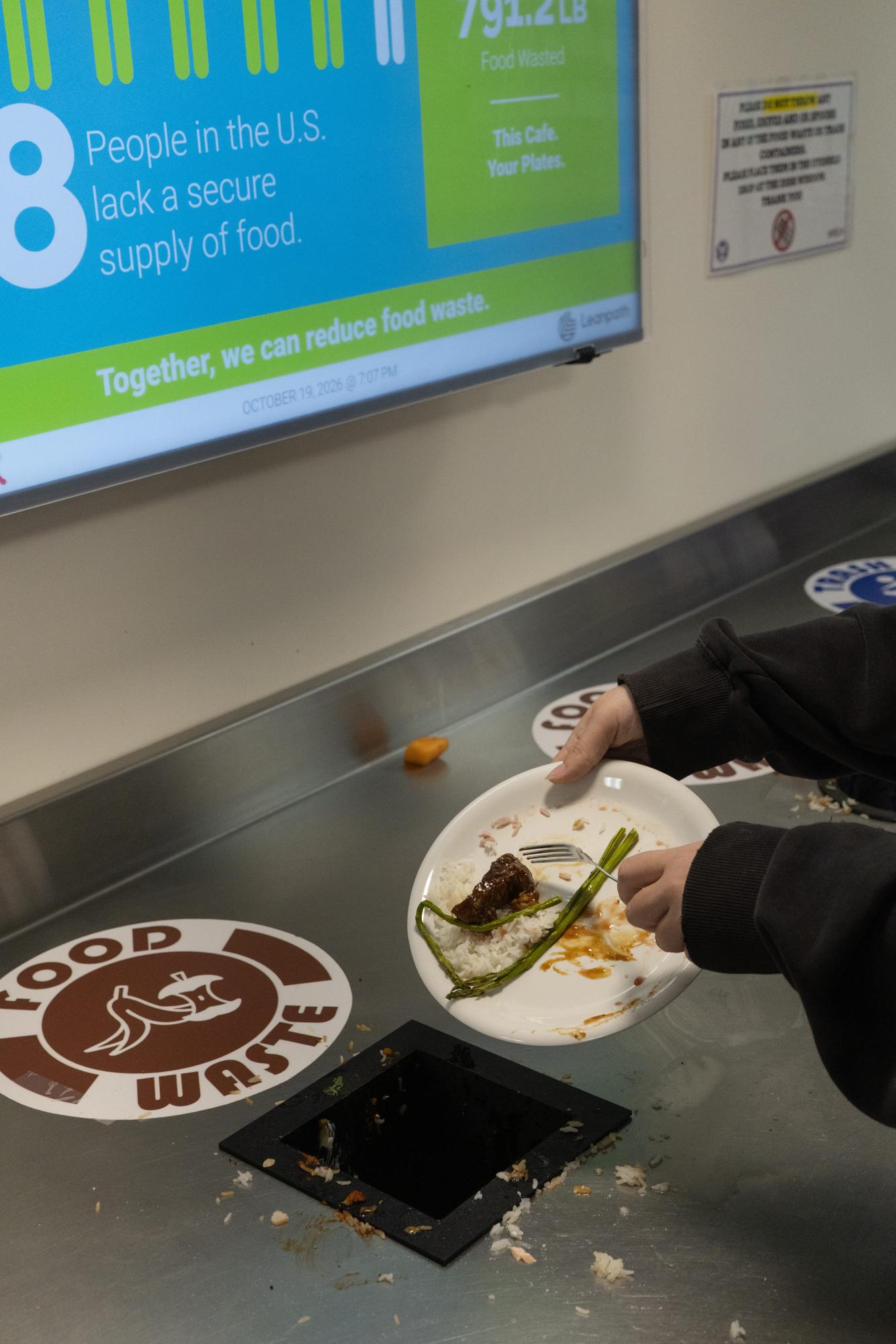
As students from The Masters School, we have the opportunity to enjoy up to three meals served in our dining hall a day, along with a constant rotation of snacks. Unfortunately, you can observe people carelessly wasting food or taking more than they need to.
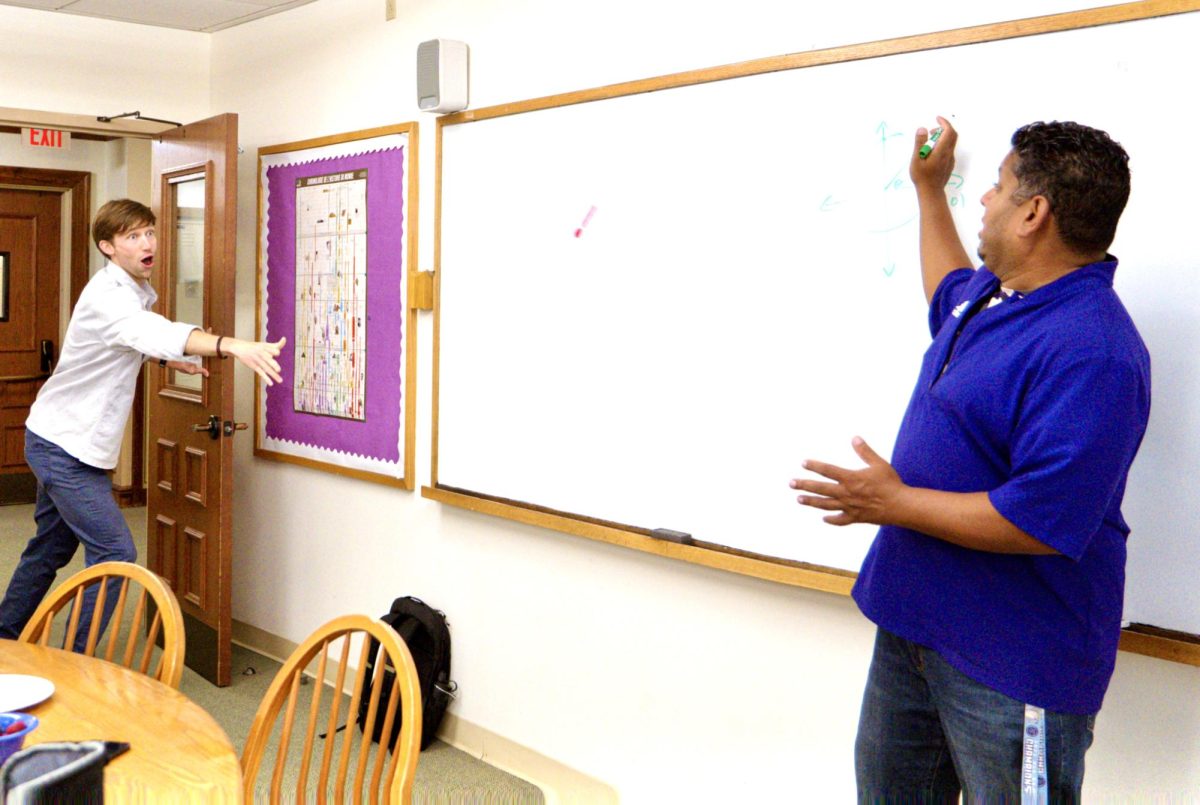
This is directly addressed in the IEC, where teacher Chuck McNamee recently concluded a unit focused on understanding and reducing food waste.
He notes that the Mann Dining Hall staff has placed a helpful new infographic that tracks daily food waste levels from the Masters community and predicts what they will reach by the end of the month.
Displaying such information is crucial for a community like Masters to recognize and take accountability for its actions. McNamee combines this data with the University of Delaware’s entrepreneurship curriculum to inspire his students and the broader Masters community to approach problems creatively and optimistically.
Encouraging others to view food waste with a fresh and positive perspective is essential. McNamee explains, “The way things are right now today does not define or constrict the way that things can be in the future”.
McNamee stresses that the strongest forces driving food waste start with small, individual choices. He said, “The biggest driver behind some of the food waste problems that we see day to day starts with…being aware of the impact your decisions have.”
The best opportunity to reduce food waste begins with being conscious of your decisions and understanding how the little moments can drastically shape the future.
Outside Dobbs Ferry, local nonprofit Our New Way Garden founder Amy Benerofe emphasizes that food waste is systemic and stems from improper distribution and handling rather than a lack of food.
Benerofe notes that modern shopping habits can easily disconnect us from reality, saying, “In the supermarket, we’re so used to seeing food that looks perfect.”
The expectation that food and produce reach a certain aesthetic look to be trusted is what leads to large amounts of nutritious, safe food never reaching grocery store shelves and being accessed by people and communities who need it.
While food pantries typically receive food that supermarkets refuse to sell, Benerofe notes, this ends up placing a heavy burden on them to manage rotting food.
To effectively combat careless waste, Benerofe cites education and hands-on experience as the best way to grow a general awareness of the resources and time needed to bring food from a farm to the grocery shelf or a dinner plate.
In the end, properly addressing food waste requires awareness and discipline. By being aware of one’s portion sizes and taking only what you need to eat while understanding the process it takes to place food on the table, schools and individuals can adopt healthier and more sustainable habits to eliminate careless waste.