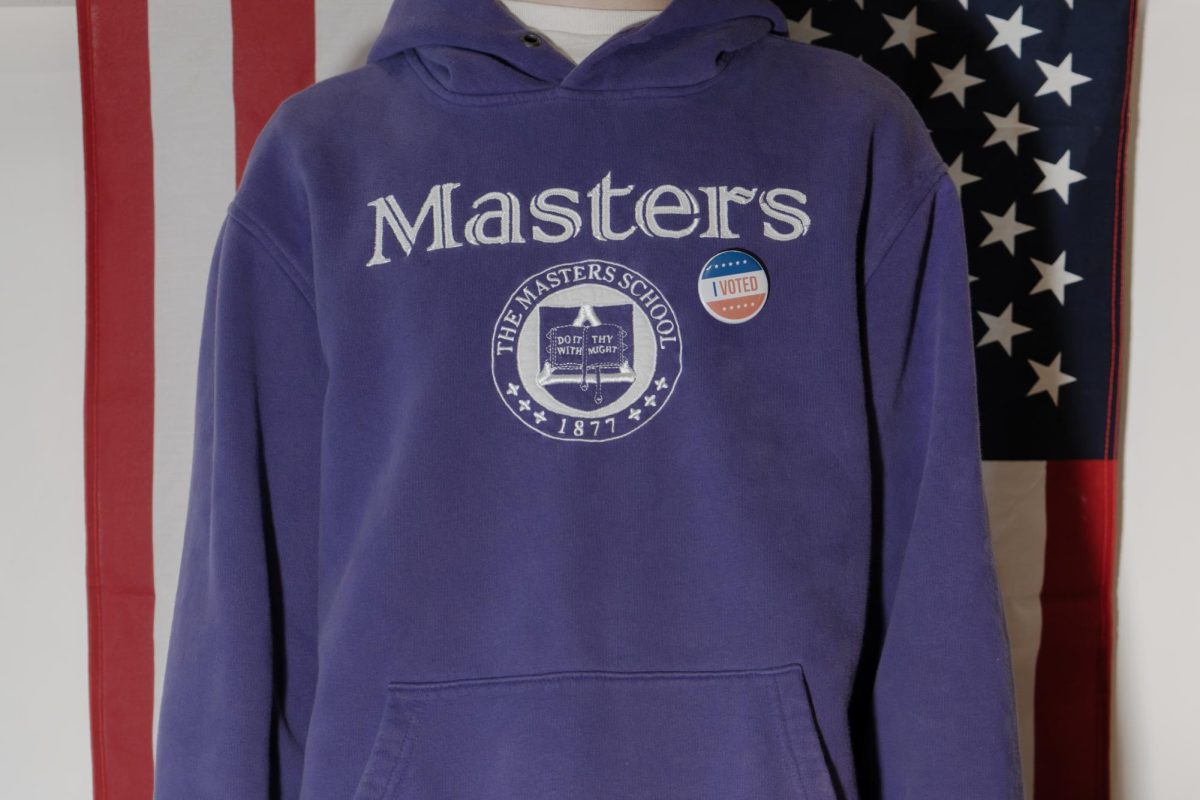

As the first semester came to a close, while many students focused on semester grades and juggling extracurricular activities, many students at The Masters School had other matters to attend to. Some students learned about challenges to young people’s rights to access media, while over 200 other students, marching amidst mountains of mucky ice, armed with large signs and colorful chants, protested ICE actions in Minnesota. Increasingly, students fear growing restrictions on their constitutional rights, especially violations of First and Fourth Amendment rights.
After seeing the violent events committed by the U.S. Immigration and Customs Enforcement (ICE) in Minnesota, Illinois and Los Angeles, the National Shutdown on Jan. 30 inspired nearly 200 students to participate in a school walkout and subsequent march around the town of Dobbs Ferry.
Gus Skiptunis ‘28 said, “With all of the bad things going on in the world right now, I feel it’s our responsibility to be a part of the fight.”
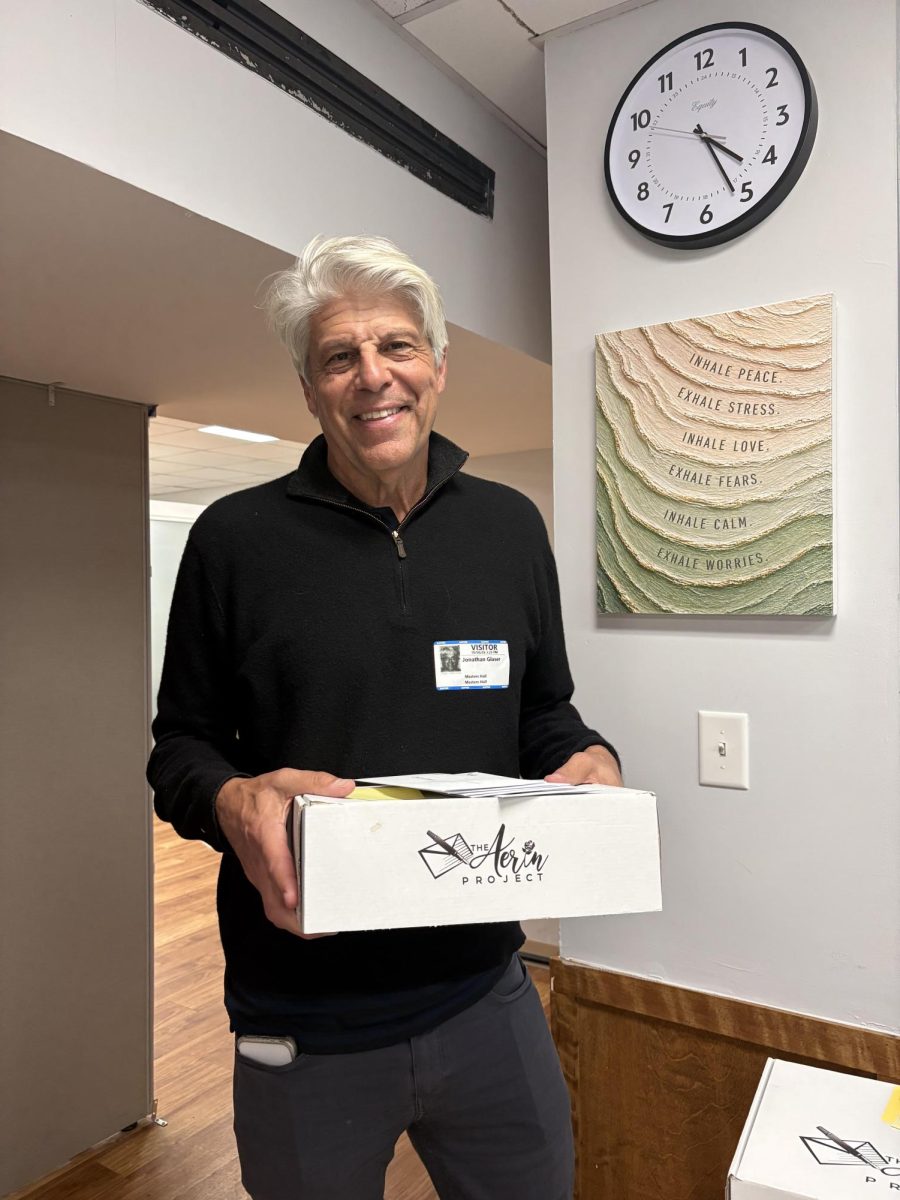
Unfortunately, throughout the U.S., there have been many attempts to impede the First Amendment. For example, protests like the Masters ICE Walkout have been targeted. A Masters WinterMission group learned about one way that First Amendment rights might be stifled when a group visited the Davis Wright Tremaine Law firm. This firm is challenging the recent Texas Appstore Accountability Act (TAAA) on the grounds of the First Amendment. The act attempts to block youth from “harmful content” by age verifying and requiring parents to approve each app their kids download. This harmful content includes “liberal” media.
Abigail Everdell, counsel at Davis Wright Tremaine and a lawyer on the case, explained more about the act. She said, “The act is clearly an attempt by the state to limit what the state believes to be harmful content.” Everdell continued, “The reason we have the First Amendment is to prevent the state from making those kinds of value judgments.”

Many students at Masters also see the value of their First Amendment right. Julia Panos ‘27 said, “I think that the First Amendment is a really critical part of being an American, so it’s really horrifying to me that these rights are being so adamantly threatened right now by the current administration.”
In light of the recent events in Minneapolis, Panos noted, “I think that the crackdown and backlash that these protests have seen in Minneapolis has horrified me and has made me want to act and speak out and exercise my right while I still can.”
The abridgment of First Amendment rights does not stop with protesting. As seen with the TAAA, some students now fear an inability to access media from disparate perspectives. If students aren’t able to access all kinds of information, they will be at a disadvantage compared to their peers.
Everdell said, “Students in Texas were concerned that when they got to college, they would be less informed than their peers from outside of the state because they could be limited in what they’re able to access when they’re under 18.”
In the same vein, Panos said, “If you are seeing such a polarized or skewed version of the media, you are not going to get a true sense of the political state of the nation.”