

For as long as there have been schools in cold places, there have been snow days. For generations, an imminent blizzard brought hope for a day of freedom. As kids, many of us put spoons under our pillows, wore our pajamas inside out and even flushed ice cubes down our toilets, hoping to increase our chances of a school cancellation.
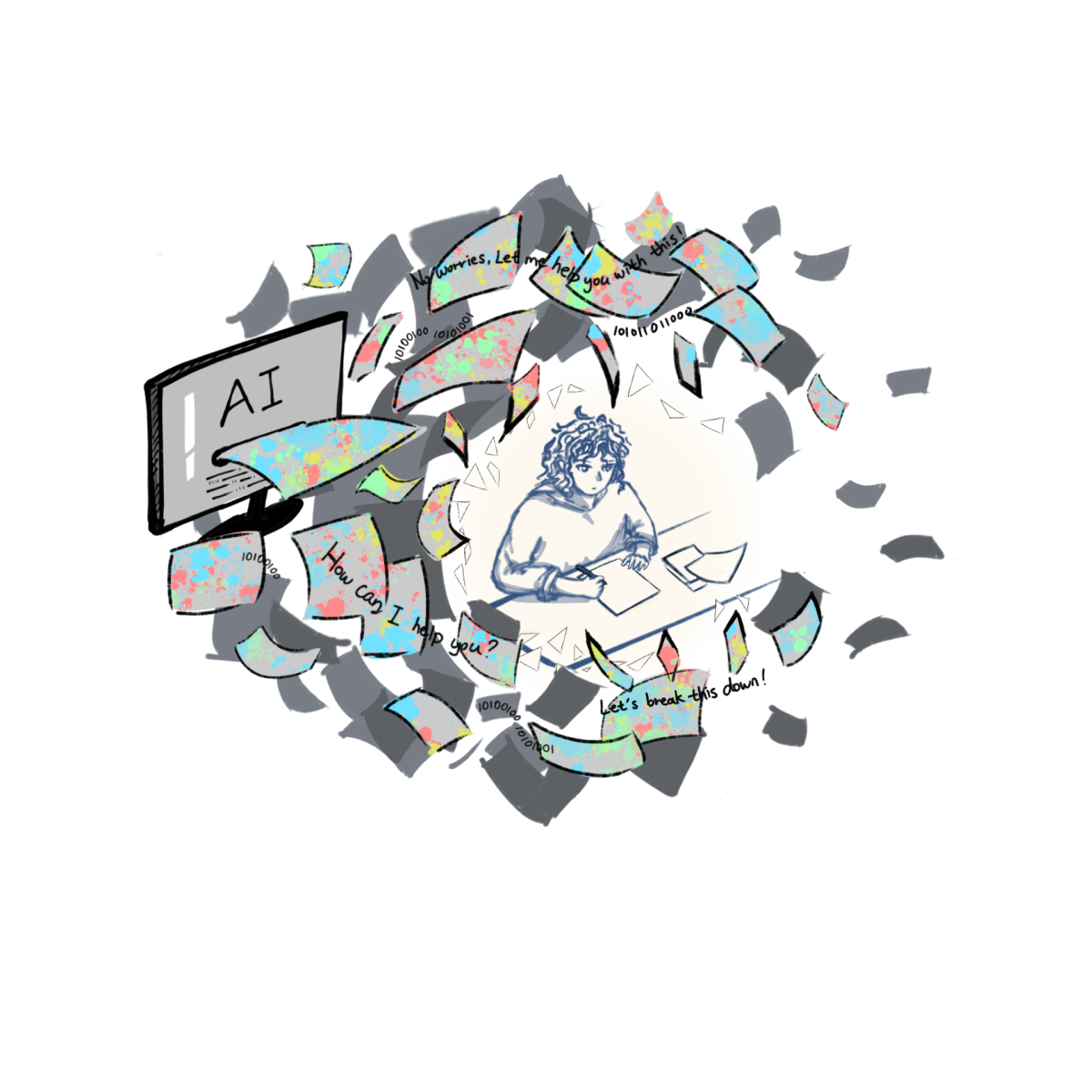
However, in recent years, things have changed. In January, on the doorstep of a snowstorm set to shut down many parts of the country, New York City Mayor Zohran Mamdani announced that public schools in the city would not have a snow day because of the storm. Instead, weather-related cancellations would result in remote-learning days.
This announcement follows the change instituted in the 2020 school year that completely replaced snow days with remote learning days for NYC public schools. This decision was made in order to preserve the 180 school days mandated by the city while also adding multiple holidays to the calendar, including Diwali and the Lunar New Year.
Following the announcement from the NYC mayor, members of the Masters community received an email on Friday, Jan. 23 from Head of Middle School Tasha Elsbach and Head of Upper School Peter Newcomb. The email stated that, while the following Monday would likely be a snow day, if the conditions remained bad enough, Tuesday would be a remote-learning day.
This decision sets a concerning precedent for Masters and the New York City public school system, as well as schools across the country. By taking away snow days, schools are preventing kids from gaining the many positives they bring with them, such as cognitive development and mental health benefits.
According to University of Maryland Professor Melanie Killen, snow days are very beneficial to the social and cognitive development of children. Children learn to interact with others in various situations outside of their normal interactions.
Additionally, snow days tend to occur during the stretch of the school year between winter and spring breaks, a long period that can become depressing and monotonous. Snow days provide a much-needed break from the monotonous, cold and dark depths of winter.
The primary reason for the switch from traditional snow days to remote learning days is to make sure that student learning doesn’t suffer from a weather-related closure. However, according to a study from Harvard Professor Joshua Goodman, school closures due to snow days result in no downturn of students’ academic performance on cumulative assessments.
On the other hand, remote learning on snow days has significant adverse effects. When classes switch to remote learning, it is harder for teachers to keep the entire class on the same page and ensure that all students have grasped the concepts, resulting in students falling behind.
This can occur for a multitude of reasons, including an inability to pay attention outside of a classroom, learning differences that are difficult to accommodate over Zoom, or connection issues. This results in a negative impact on the class when they return to in-person learning.
Students are all in different places when it comes to the material, causing one of two detrimental outcomes. Firstly, the teacher spends a lot of time trying to catch up individual students who have not grasped the concept, while other students halt their progress. Alternatively, the teacher continues the pace of the class, not realizing that some students have fallen behind, eventually compounding into students not grasping subsequent topics and struggling on assessments.
Additionally, teachers struggle to turn in-person curricula into online ones on such short notice. Classes planned for in-person learning simply cannot be successfully transferred onto Zoom, forcing teachers to come up with lesson plans in a rush, leading to less effective teaching.
Overall, remote learning nowadays is, at best, ineffective and, at worst, actively detrimental to students’ learning and the cohesion of the class when they return in person. On the other hand, traditional snow days are beneficial to children’s mental health and development. For these reasons, Masters, and other New York schools, need to take action to preserve and revive the beauty of a snow day.