
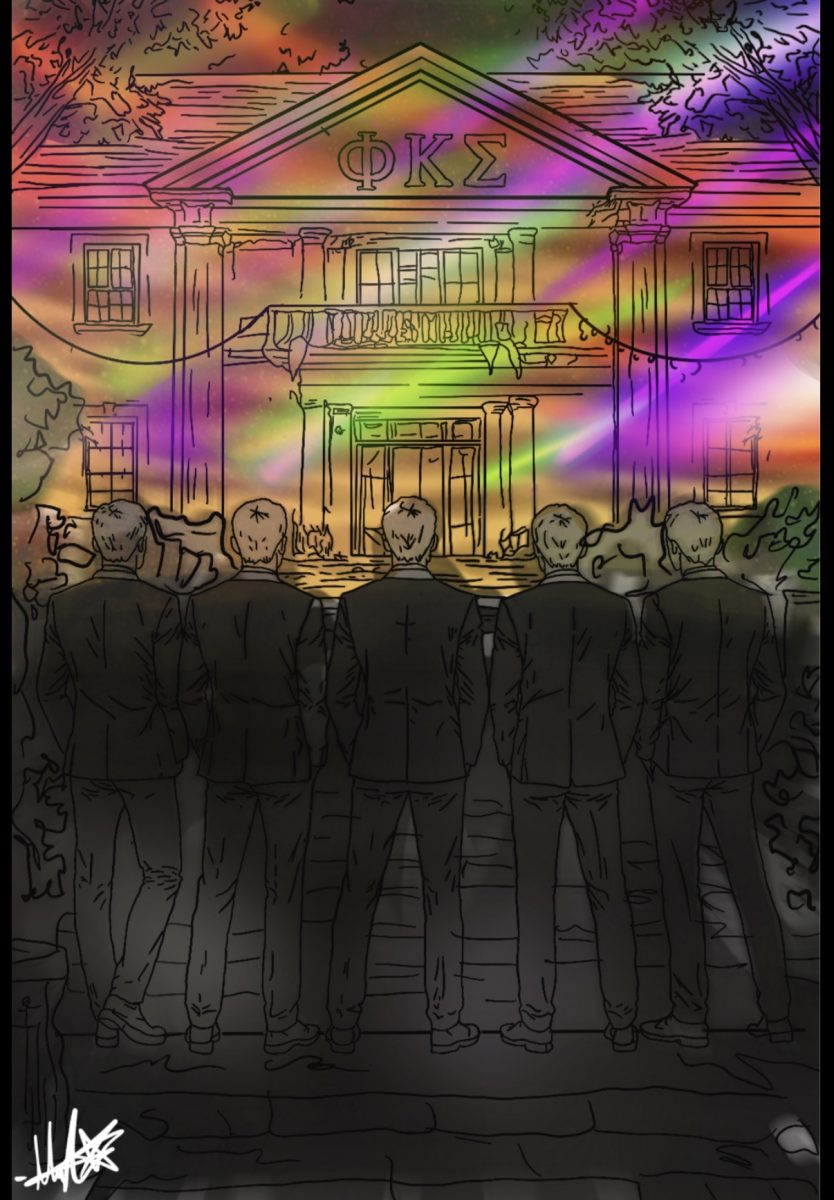
When most people think of fraternities, they see young men drinking alcohol, occasional misogyny, and ruthless hazing toward pledges. In all fairness, it’s not very hard to see why. Hollywood has pigeonholed fraternities as dangerous and immoral since the late 70s. Feature films like “Animal House” have created this narrative of Greek-life.
Additionally, real-life events surrounding the practice of fraternities have reinforced this narrative, including a recent Iowa University hazing incident. Campus police officers were called to a frat house due to a fire alarm and were horrified by what they found: 56 pledges blindfolded in the basement, covered in ketchup and mustard. Scenes like this have become a common part of the image of fraternities. But though hazing is a genuine issue, fraternities are much more than their worst abuses. Fraternities survive and thrive today be- cause young men want camaraderie, friendship and to become more civically engaged – all of which fraternities can provide. Logan Dundas ‘26, a prospective fraternity member and future Dartmouth College student, said, “We’re all familiar with kind of negative stereotypes about fraternities, and certainly there is a lot of toxicity in certain fraternity circles.” But, Dundas said, “At some frat scenes, you can find connection with other people, and that’s really what people come for in a lot of cases.”
He continued, “ One thing I don’t think everyone realizes is that in some cases, the more prominent a Greek scene at a college, the more opportunity there is to get involved in a frat scene that is non-toxic and inclusive.”Current fraternity members and Masters alumni also concur with this assessment.
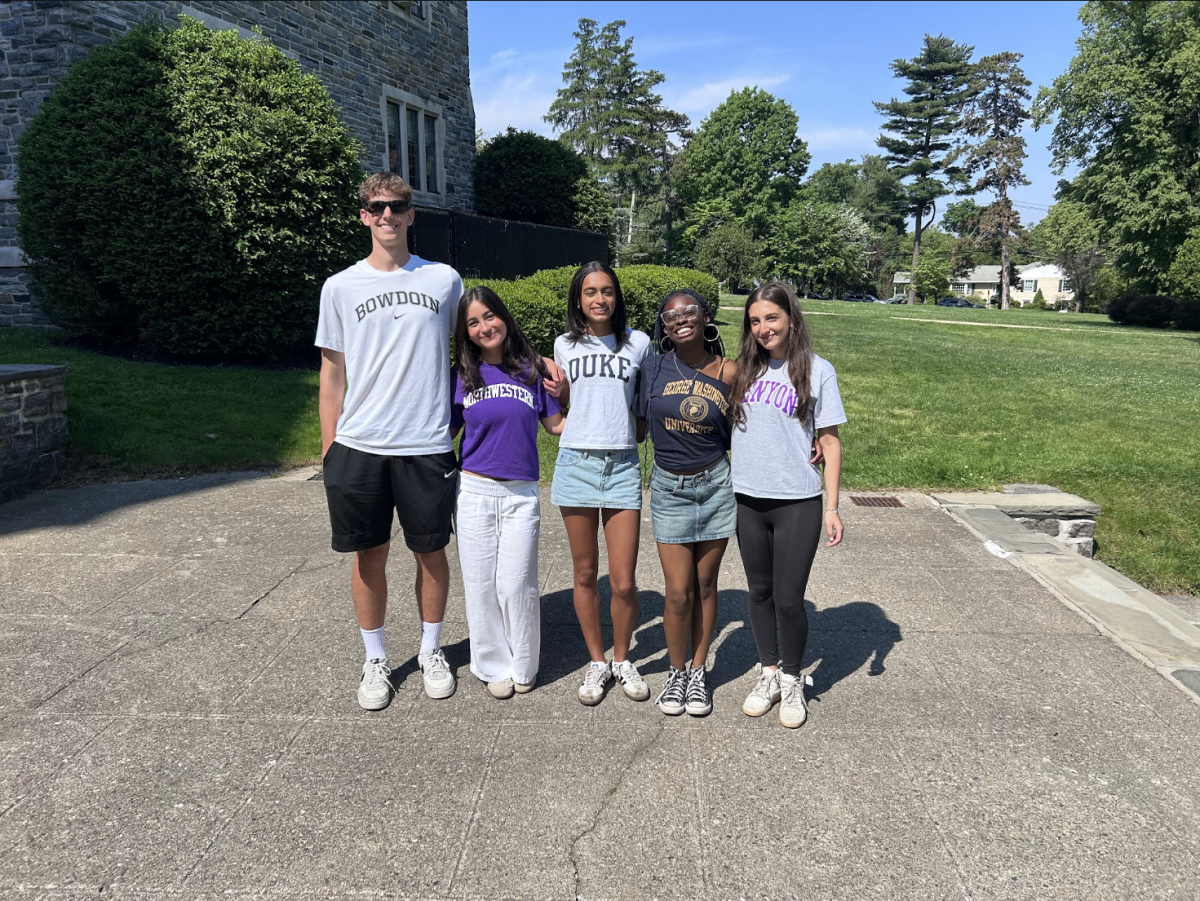
Matthias Jaylen ‘24, who attends American University said, “ Whenever I’m having a tough time, or I feel homesick, [I’m] able to rely on [my] brothers. When you just need somebody to talk to, somebody’s always there for you… but something I really appreciate is that our brothers make time for each other, especially in critical situations. “The frat gives me an opportunity to dis- connect and actually be a human that lives my life and doesn’t just work, go to class, do home- work, sleep and repeat.” Matt Sanzenbacher ‘25, now a student at Wake Forest University, likes the charitable as- pect of frat life. “We do a lot of philanthropic work, so it feels really good to give back. When you’re in a group of such closely connected people, you get really good at organizing events, especially for charity, raising money, and doing fundraisers. And when you’re with a bunch of guys who are older than you and you’re close to them, you really get to experience different moments of growth and maturity.”