
Summer break – it’s often imagined as a three-month stretch of easy days, poolside grilling and sun-kissed beach afternoons. It’s a time when there’s nowhere to be and nothing to stress over. But for many high school students (and their parents), summer break is less about slowing down and more about stepping into employment. It’s a golden opportunity for new responsibilities, having a first taste of independence and getting experience to eventually go forth into the world, whether a paycheck comes with it or not.
Watch any 80’s teen movie, and it’s likely that you’ll see the quintessential teen summer job – this is synonymous with the time, when in July of 1979, the teen summer employment rate was nearly 60%. Today, that number has waned to about 35%. Many cite the reason for this dramatic change as rising academic stress in schools, along with the expectation that students do something “productive” over the summer instead of working a minimum wage job.
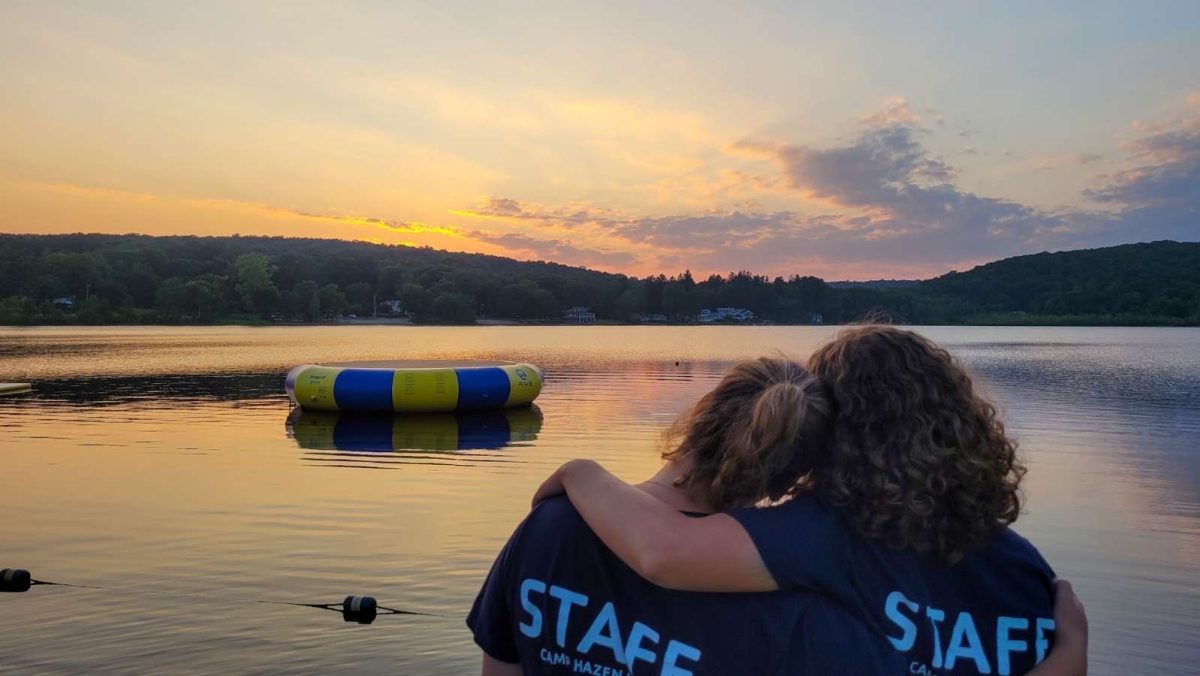
Lucia Lamprecht ‘26 works at a sleep-away camp in Connecticut – somewhere she’s been going every summer since she was five years old. Now, she’s a general counselor who takes care of a cabin with eight kids, along with running water sports like boating and jet skiing. She said, “The fun thing about working at a camp is that I get to meet people from everywhere, so I have a lot of friends who are from places like Australia and Ireland. I get to learn things about other parts of the world, which I think is awesome.”
Jobs can also teach teens life skills that they couldn’t learn without firsthand experience. “ ” Asher Le Breton ‘26, who is a maintenance worker at a summer camp, said. Lamprecht similarly said, “My co-counselors and I had to learn how to work together to take care of our eight kids in the cabin.
Finding a job, though, isn’t always easy for teens. They’re competing with more experienced, often college-age people or older for employment. “A lot of employers are mainly focused on college freshmen because they’re more likely to return every year. Jobs just aren’t looking for high schoolers,” Anastacia ‘Ana’ Alexander ’26 said. She continued, “I went around to so many places handing them my resume in hopes that they would get back to me, but none of them did.”
An alternative to jobs that many teens get involved in over the summer is internships. While they’re not paid, they can offer pre-career experience and a “good look” for colleges. In fact, Masters is offering an internship program this summer, where the school connects current students with alumni that can offer experiential learning based on their career interests. Alexander, who is planning a career in pediatric medicine, will participate in this program. “Starting with an internship now would really get the ball rolling for a career someday, and it would make it a lot easier to transition into a research environment,” Alexander said.