


A breadwinner husband, housewife and two kids sitting at the dinner table in a quaint suburban neighbourhood was the quintessential household image for many people in previous generations. However, the commonality of the nuclear family has decreased over the years, and no longer seems to be young adults’ ideal family structure.
Increasingly, marriage and children have become less appealing to the younger generation. Married couples made up 47% of households in 2025, a significant decrease from the 66% recorded fifty years ago, according to the United States Census Bureau. Additionally, only 37% of families were recorded to have children under 18 compared to 54% fifty years ago. Experts attribute this phenomenon to several causes.
In previous generations, the status quo was to be married, and those who were single, especially women, faced societal pressure to conform to this norm. However, recent changes in culture mean that young adults face less of this pressure, resulting in many couples staying unmarried despite sustaining long-term relationships and cohabiting.
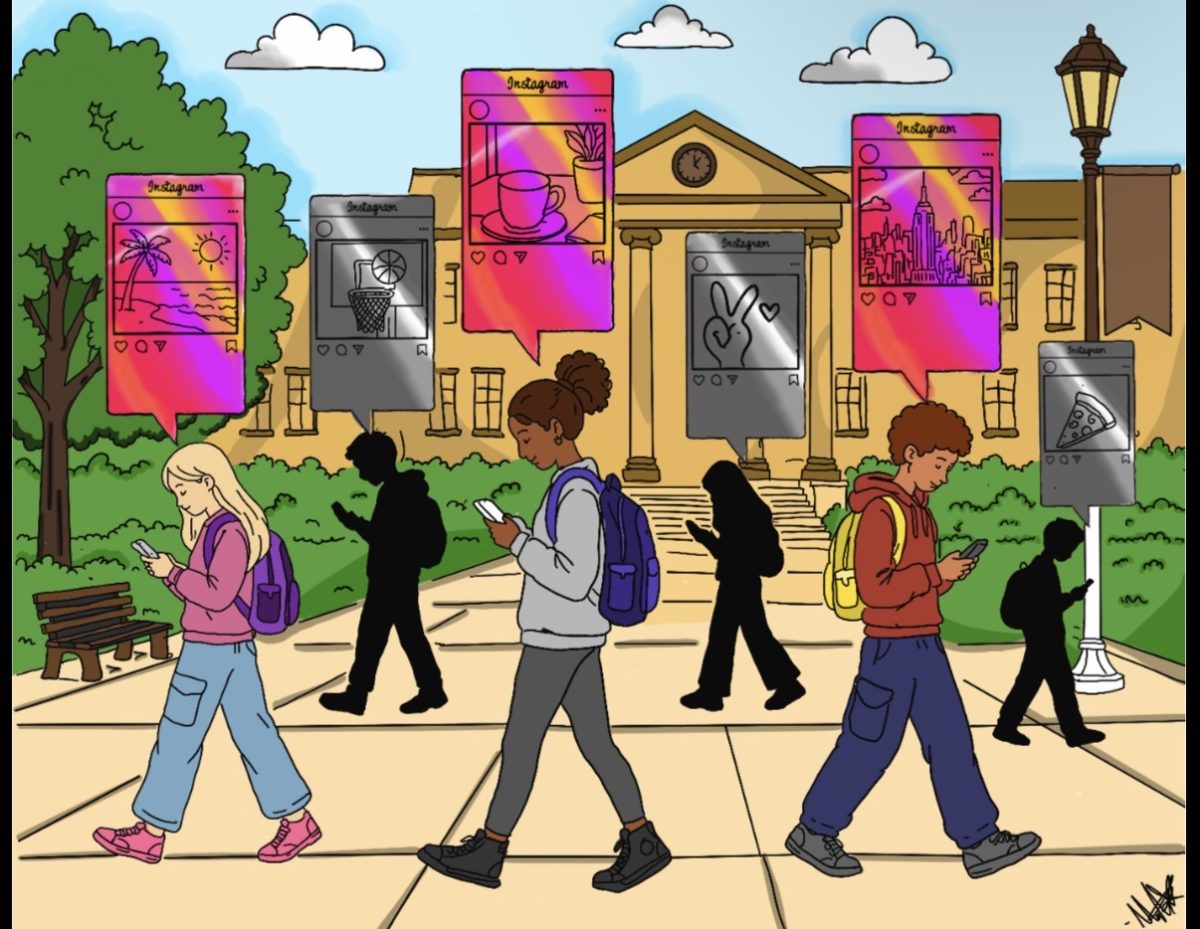
Furthermore, many individuals cite unhappiness within the current dating culture. Diane Malkin, psychotherapist and psychoanalyst, explained that due to social media and dating apps, in-person organic meetings are not as common anymore.
“So many of my young adult patients are frustrated either by what seems like a revolving door of people who are constantly looking for something better, and it makes it harder for people to commit,” Malkin said.
For many, being married and having children simply just isn’t a goal in their lives. A poll from NBC news asked adults of ages 18-29 to rank their definition of success showed that women ranked being married and having children tenth and eleventh out of thirteen options. Men ranked these two seventh and eighth, while both genders had options about career or financial success in the top three.
Junior Mia Stein said, “I’m really not even thinking of having kids at all for me. Like, that’s [at] the very, very end of whatever I want to do as [part of] my goals for the future.”
Political views also play a factor in relationships. The same poll showed that men and women who voted for Kamala Harris in the 2024 presidential election ranked having children and being married in the bottom five, whereas those who voted for Donald Trump ranked having children in the top six. Notably, men who voted for Trump ranked having children first and being married fourth, while women who voted for Trump ranked having children sixth and being married ninth.
This not only reflects the differences in political opinion, which have impacted dating since 60% of adults aged 18 to 29 stated that it was important to have the same political views in a relationship, but also a discrepancy between young men and women. These differences are potentially a reason why young adults feel that finding a compatible partner has been difficult, due to differences in future priorities.
Another possible factor is that the financial demands of supporting a family have become more difficult to meet in recent years. According to the Economic Policy Institute, the median annual cost for full-time care of an infant in the United States is $14,106. The federal government considers child care that costs less than 7 percent of a family’s income to be affordable, meaning on average a household would need to be making $201,514 or more annually in order to meet the requirement. This large rate has persuaded many couples and individuals to wait for financial stability before taking on the cost of having a kid.
Junior Emilia Teodorczuk, who wishes to foster children in the future, says that having the financial means before supporting children is necessary to her.
“I want to make sure that I have a stable career before I go into that… so that I can take on these kids, and I can give them a good home and treat them well and give them nice birthdays or holidays and all that stuff without worrying about the financial side,” Teodorczuk said.
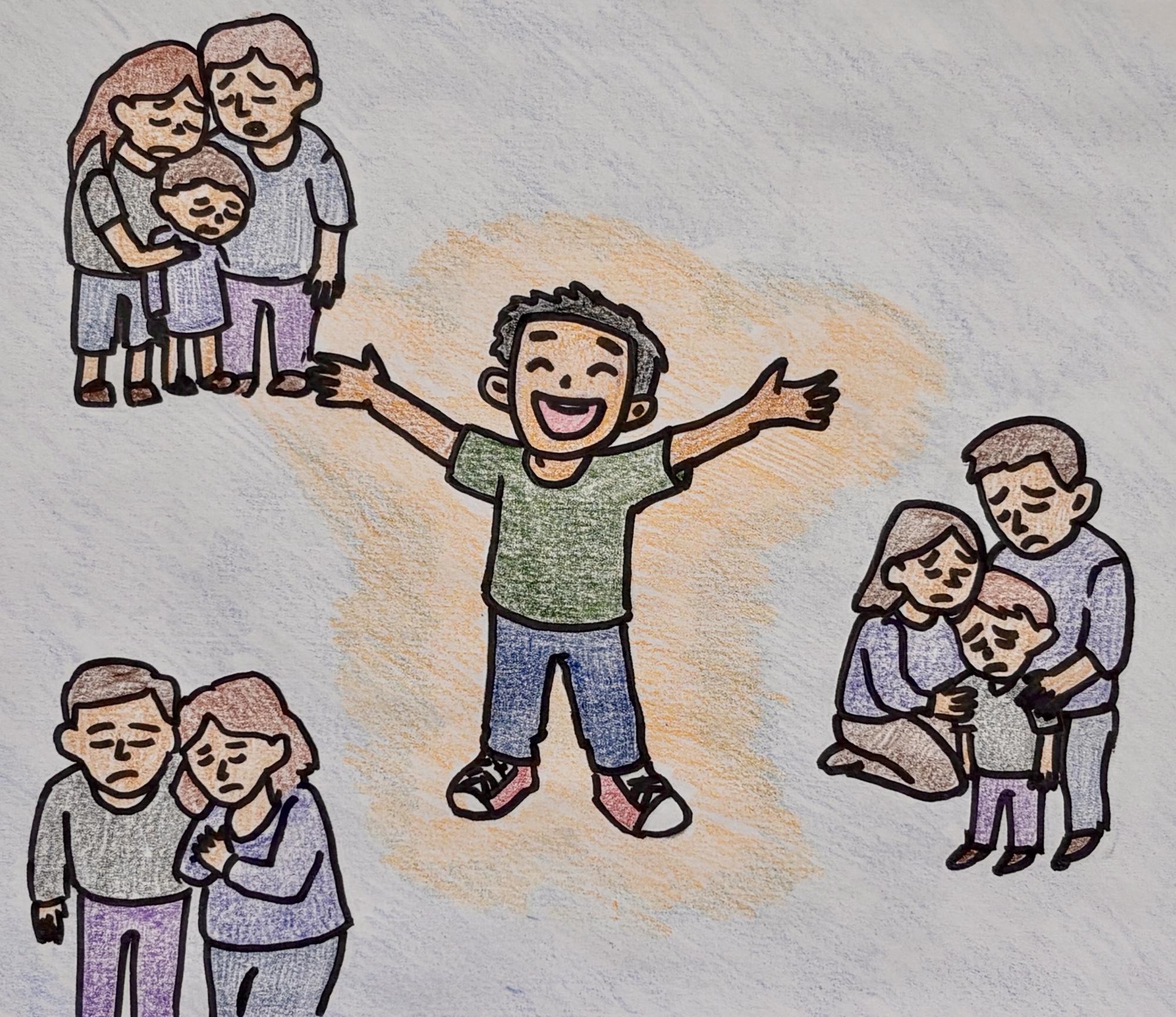
Moreover, people have felt less motivated to have kids of their own after seeing news that makes them feel negative about the current state of the world.
Malkin said, “In my practice, [people] don’t want to have kids because they don’t want to bring a child into this uncertain world. They’re worried about the future, and that can be: financially, that the cost of having children seems really prohibitive, or just being uncertain about what the environment will be like—what’s going on politically in the country and in the world.”