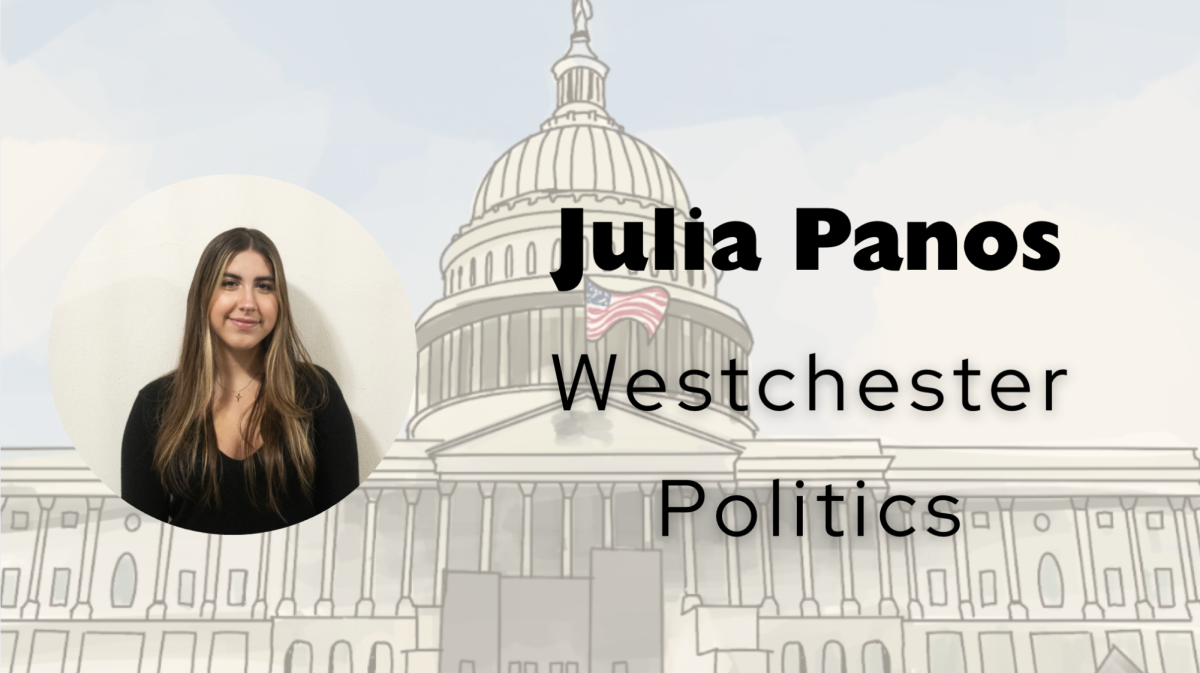


As someone who has worked on several political campaigns, I feel a sense of obligation to emphasize just how formative an experience it can be to volunteer for a candidate.
Whether it’s a candidate for town council, mayor of your city, governor of your state or even president of the nation, there is always room for volunteers from all aisles of life.
Each vote in the New York State Senate and the United States Senate alike affects our lives directly. It is important that we as students understand the issues present in our local communities so that we can make informed decisions when it comes to voting and civic engagement in the future. Campaign work gives students the opportunity to see firsthand how leaders in charge of our communities connect with voters and make policy decisions.
Beyond politics itself, campaign work teaches valuable skills in communication, organization, teamwork and public speaking. It also encourages young people to engage with their communities rather than remain disconnected from them.
But don’t just take it from me. Several Masters students have worked on or are currently working on political campaigns, and can speak to how beneficial of an experience it has been for them to get involved.
Mason Dwek ’26 has been an active volunteer on several political campaigns throughout his high school career. He described his experience working on these campaigns as “a way to really get involved in the community around you, and to really understand the issues that your community is dealing with.”
With the primaries coming up this June, New York’s 17th Congressional District is appearing to be one of the most competitive primary races, as well as general election races, in the nation. There are currently five candidates in NY-17, each vying for the Democratic nomination to run against incumbent Republican Representative Mike Lawler in the midterms this November.
Josh Malkin ’27 is currently working for one of these candidates in the NY-17 race, Cait Conley. Malkin said, “I like working on campaigns, especially local ones, because it feels like the only way to make a difference, especially since I can’t vote.”
The work done by campaign interns can range from financial research, to petitioning for signatures to get on the ballot, to canvassing at public events and even social media marketing. Voting may be the most visible part of democracy, but it is far from the only one. Long before you can sign your name on a ballot, you can still help shape the future of your community by holding the pen.