


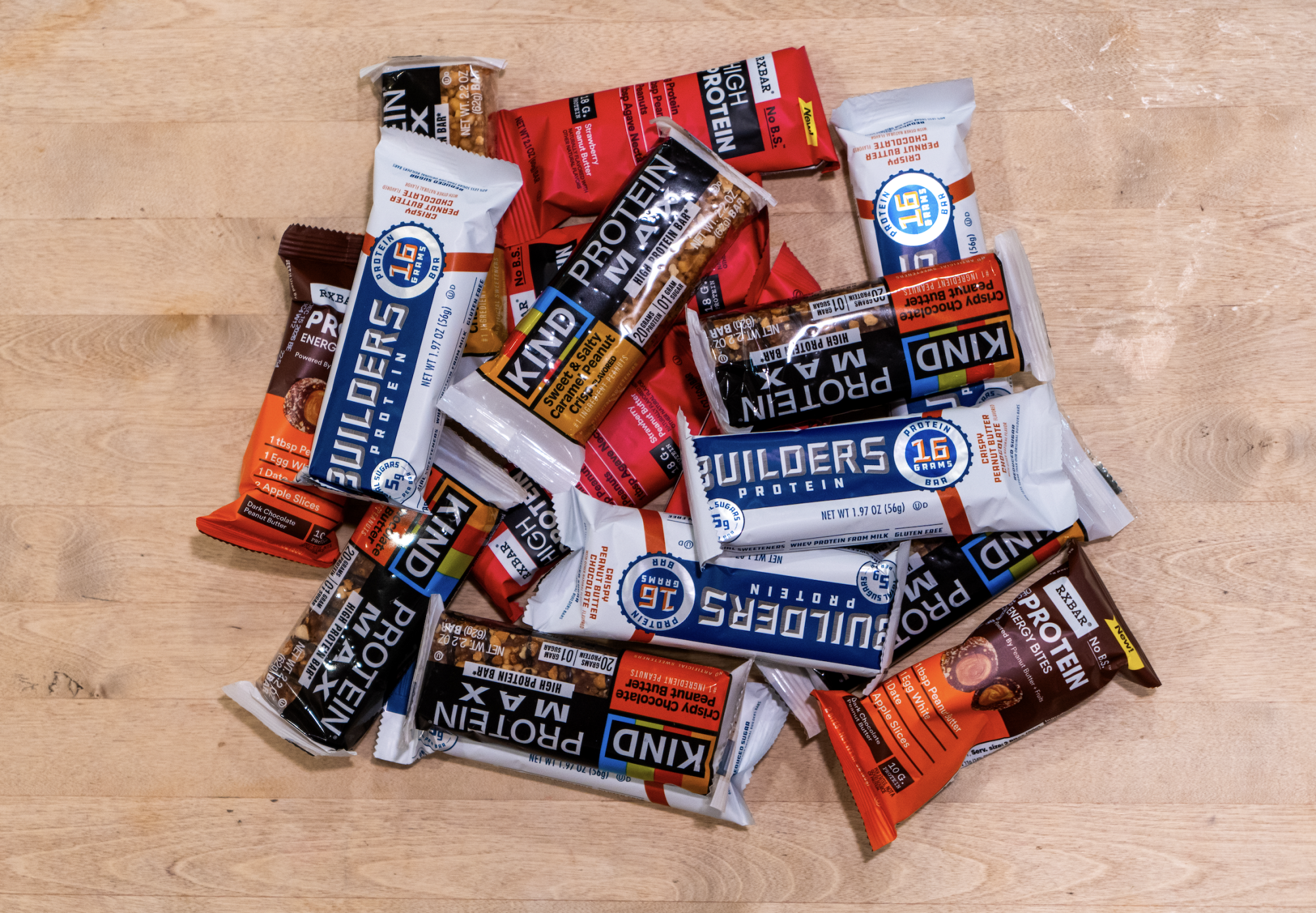


Strolling through a grocery store’s snack section, you’ll see brightly packaged chips, bars and cookies trying to convince you to buy them. Recently, you might notice a label slapped on top, underscoring the grams of protein it contains. 8g, 10g, 20g— these previously considered unhealthy treats now ironically entice shoppers by their supposed nutritional value.
“Protein-maxxing”, according to the American Medical Association, is a trend in which people maximize their protein intake to speed up metabolism and build muscle. NPR news states that, to build muscle, one should consume around 0.7g of protein per pound of body weight per day. For the average 18-year-old, that means around 29g of protein or 3 oz. of chicken breast for girls, and 34g of protein or 5 whole eggs for boys per meal.
This trend has reached the campus of The Masters School. Over the summer, the Davis Café supplanted many traditional snacks with protein-infused alternatives, with instant ramen being replaced by “20g protein” ramen, along with a growing selection of protein bars. Head of School Laura Danforth recommended the change for students’ health. Check out the upcoming TBN episode to learn more.
Nutritionist Amy Stephens, who works with the Masters varsity track and field team, attributes the protein trends to social media.
“Athletes watch ‘what I eat in a day’ videos and see how much protein is being fitted in to follow the latest trends,” Stephens said.
The Trump administration, led by Health and Human Services Secretary Robert F. Kennedy Jr., contributed to this trend by introducing an inverted food pyramid, which is critiqued by nutritionists as less scientific and transparent. This new pyramid features steak, cheese and whole milk at its broad top, with whole grains at its narrow bottom. This redesign reverses the traditional pyramid’s grain-based design, further promoting protein-maxxing.
Consumers’ fixation on protein intake creates lucrative opportunities for businesses to create products that help them meet their quotas, resulting in a market area for products like protein pasta, candy and even water. Last year, Americans spent about $90 billion on products advertised for their protein content.
Stephens also highlights influencers’ role. “Often, those influencers are making financial gains by endorsing a protein powder or protein-rich food,” Stephens said.
This market trend not only exploits the concerns of consumers, but also rarely provides the nutrition it advertises. The Food and Drug Administration (FDA) has relatively lax regulations on using the word “protein” on their packages. Thus, some businesses may exaggerate the quality of their protein source. The packages’ appealing visuals also lead consumers to assume a product is healthy merely because of its protein content and overlook its sugar, sodium and calorie contents.
For instance, four donuts with protein are still four donuts, and their substantial amount of saturated fats will still clog your arteries.
“They’re still highly processed and have lots of different additives and preservatives,” Stephens said.
Moreover, the protein craze has been accompanied by demonization of carbohydrates. Many protein-maxxers blame rice and noodles for weight gain while social media champions “0-carb diet” plans to reach weight loss goals. This approach overlooks carbohydrates as the body’s main fuel source.
“Protein helps build and repair muscle, but carbs provide energy,” Stephens said.
The protein trend can also carry class connotations. For wealthier individuals, “protein-maxxing” is comparatively effortless because they have access to gyms, more time, and energy to optimize their diet. Furthermore, protein-rich foods such as protein yogurt are usually marked at a high price, making them more accessible to wealthy individuals.
In comparison, people closer to the poverty line often rely on carbohydrate-heavy food, because it supplies more energy for a lower price.
Furthermore, on Chinese social media, some protein-maxxers mock others for their “carb face,” a derogatory term for a puffy face with a blurry jawline that they attribute to carbohydrate consumption. This label often targets working-class people who are supposedly unable to afford a high-protein diet and presents a low-carb diet as an upper-class lifestyle, turning food choices into a marker of wealth.
Of course, being health-conscious can benefit a person’s health, but relying on protein powders and bars to meet these goals comes at the expense of a varied diet. Since American adults, on average, are in accordance with the recommended protein intake, according to the National Health and Nutrition Examination Survey, protein isn’t even a common nutritional deficiency. In contrast, only 5% of Americans meet the recommended dietary allowance (RDA) for fiber.
“Look at your plate and make sure there’s a combination of carbohydrates, protein and vegetables,” Stephens said. “Food [rather than protein powders or bars] is more nutritious because it’s less processed and offers more nutrients.”
While acknowledging its importance, consuming more protein does not necessarily lead to better health.
Let’s enjoy food for what it is. We can eat both protein and carbohydrates without fretting about the grams of intake. Have a treat when you need one, and don’t penalize yourself for choosing regular PopCorners over the protein-added version.