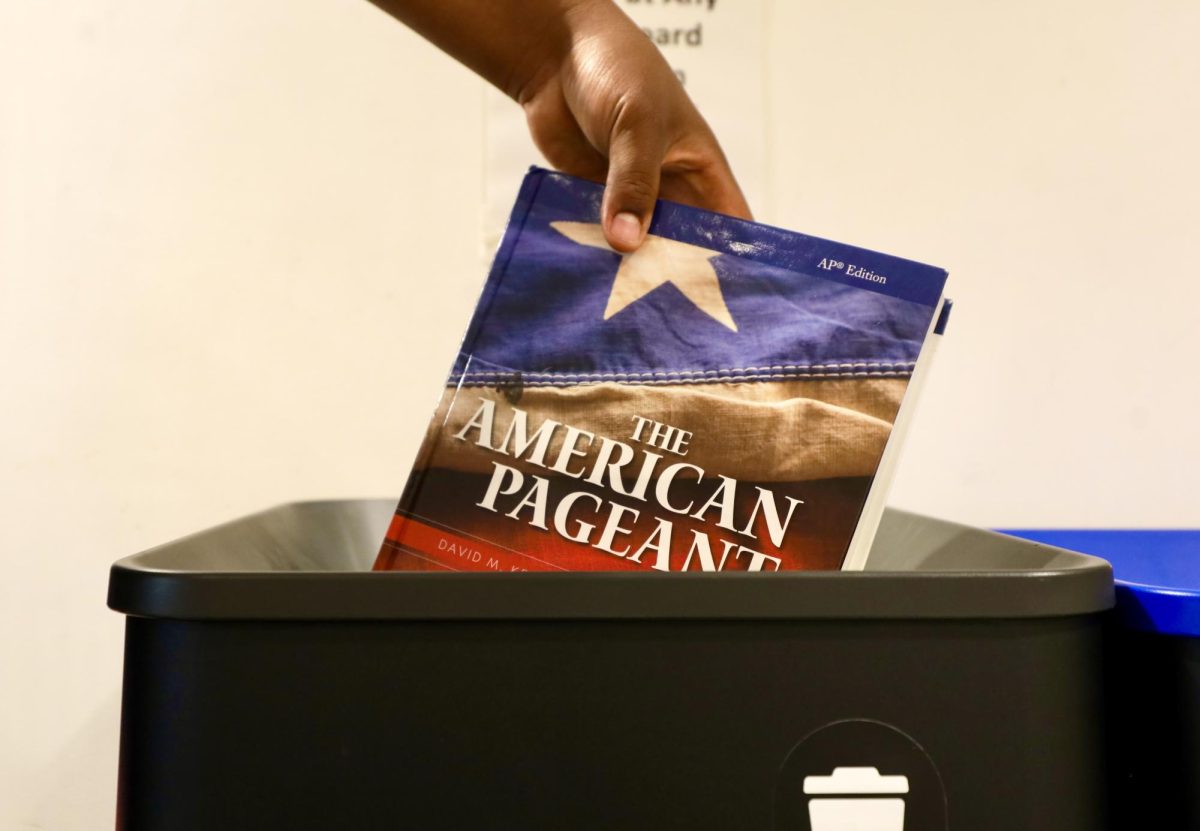
A library shelf may seem like a collection of paper and ink, but inside lives the spectrum of the human experience. Yet across the nation, surges of book challengers seek to choose which books should be on shelves, and which should not.
While public schools around the country navigate the waves of book challenges and bans, independent schools can cultivate their own interdisciplinary courses and are not obligated to follow state-mandated restrictions. Though The Masters School is an independent school, it remains engaged in the discussion of censorship within select literature.
As Head Librarian and Coordinator for Digital Info and Learning, Jillian McCoy notes that exposure to a diverse array of literature and perspectives is critical for student development.
“There are a couple of things that the American Library Association (ALA) highlights. One is intellectual growth: if you’re only ever exposed to very similar ideas, you don’t expand your thinking, “McCoy said.
They continued, “And it’s important to be exposed to different ideas. And sometimes banned books contain very different ideas that people find challenging, and that’s why they end up banned.”
During the 2025-26 school year, 114 school districts banned 11,982 books nationwide. According to PEN America, this is the highest recorded in the past five years. In addition, state legislation in states such as Florida and Texas has put additional pressure on school districts and teachers regarding which books are allowed in classrooms.
Many of these targeted books address fundamental issues regarding identity, human experience and the marginalization of underrepresented groups such as people of color and the LGBTQIA+ community. According to the ALA, 40% of challenged books in 2025 represented the struggles of people of color and those who identified as LGBTQIA+.
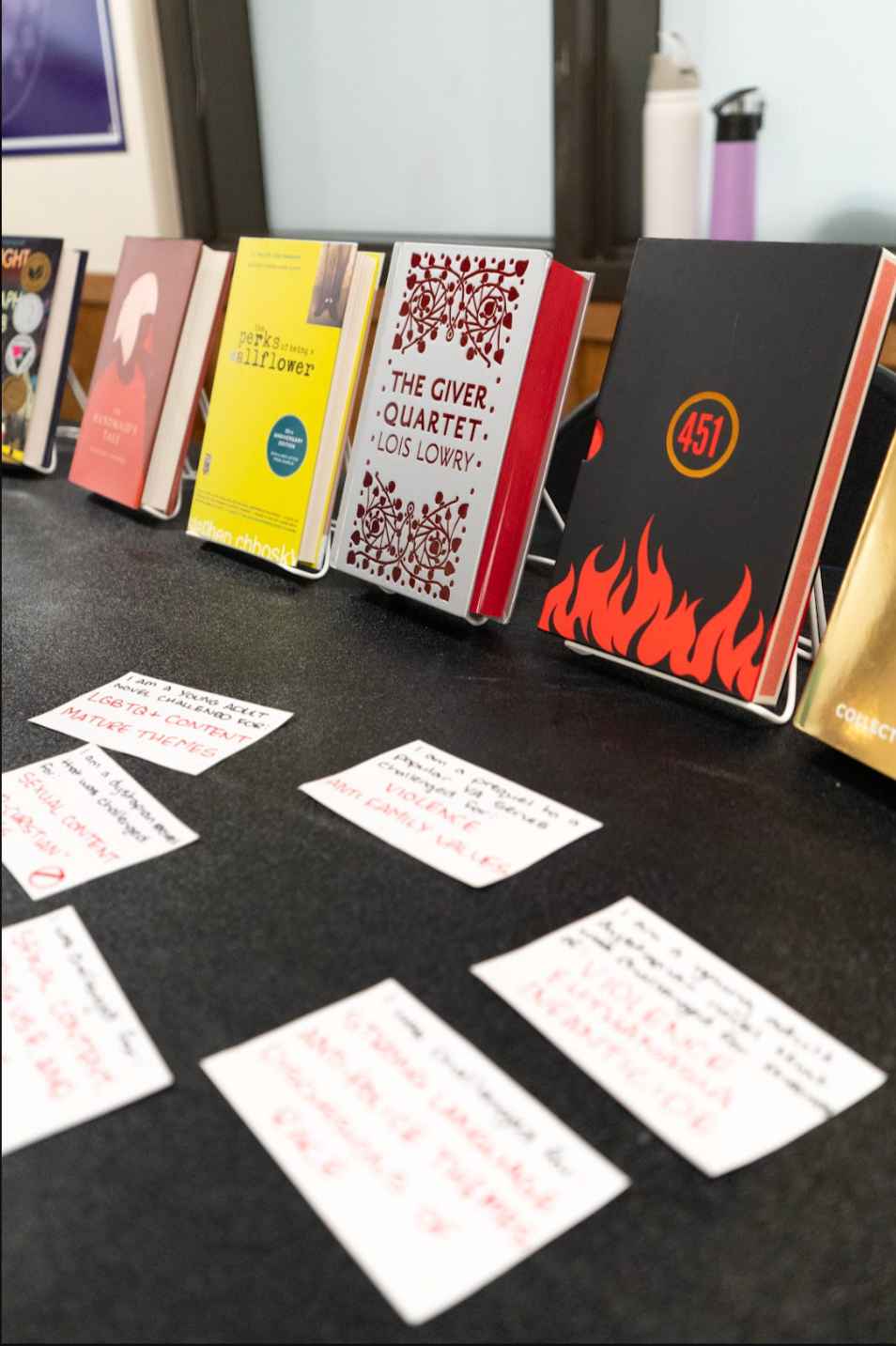
National Banned Books Week took place from Oct. 4 through Oct. 10. This annual initiative was established by the ALA and activist Judith Krug in 1982. After a surge of book challenges and the Supreme Court case Island Trees School District v. Pico—which ruled that public school boards did not have the right to ban books solely because they disagreed with them—the ALA launched Banned Books Week to advocate for unrestricted access to literature.
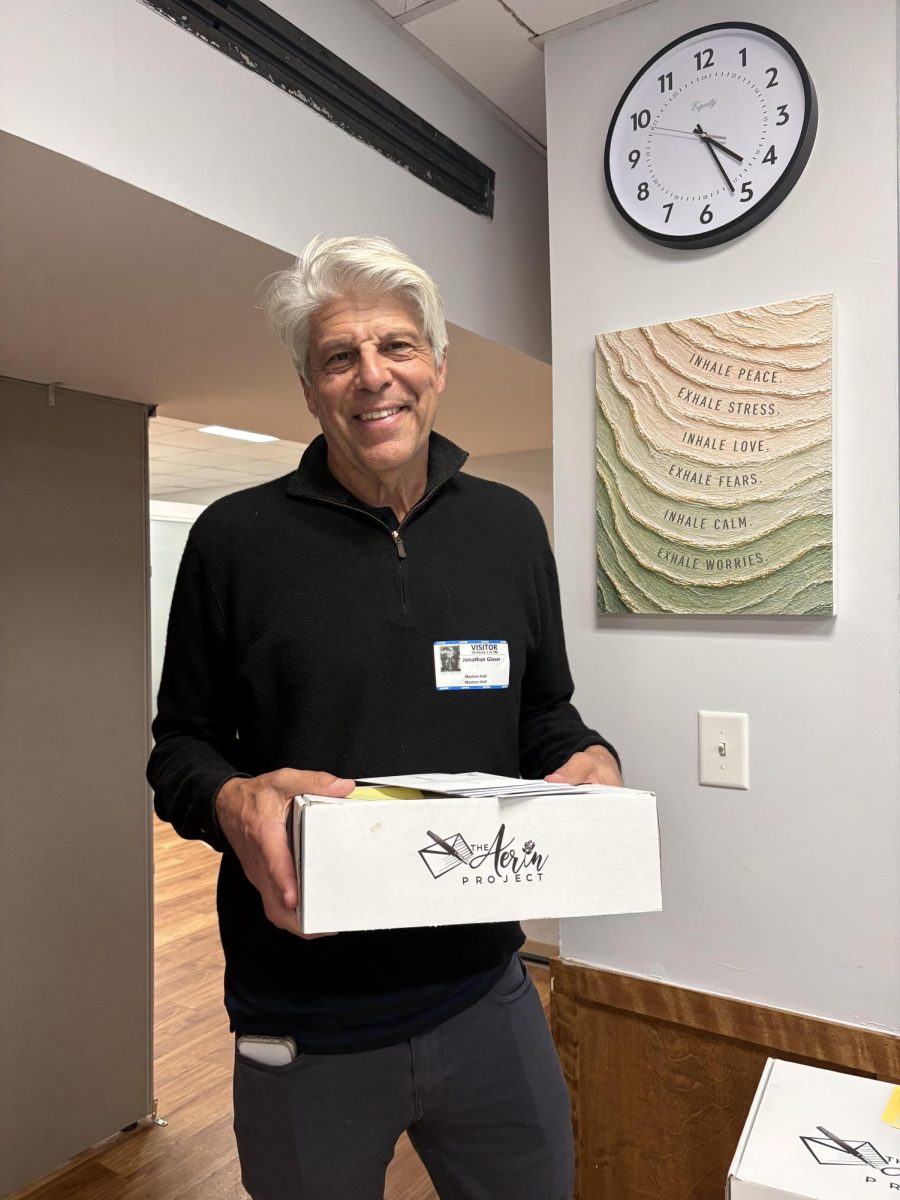
The Tang Library held its own rendition of Banned Books Week during the week of recognition, accompanied by both Upper School and Middle School presentations and the opportunity to write letters to authors of banned books. Junior and co-chair of the Upper School Book Club, Amalie “Ami” Bagaria, helped McCoy and library assistant Ellie Quigley prepare for the celebration.
“I think reading banned books is really important, especially for younger people, because we need to understand our intellectual freedom, and also, for us to develop proper critical thinking and empathy,” Bagaria said.
She continued, “We need to be able to read books that may be difficult to read or have different perspectives, because nothing good will come out of erasing historical events or pretending like things didn’t happen just for the sake of us being comfortable.”
McCoy has developed a “Request for Reconsideration of Materials,” a platform where students, faculty and parents are able to voice their concerns about certain book content for it to be reassessed. The process then continues with a panel comprised of Masters faculty members and Head of School Laura Danforth to discuss the challenge. Though a challenge has never been formally submitted, McCoy recognizes its importance in the case of future, potential challenges.
McCoy said, “It’s beneficial to have a policy because if you don’t know what to do when a challenge comes up, it can leave you scrambling, and the book might end up being unfairly removed from library shelves.”