


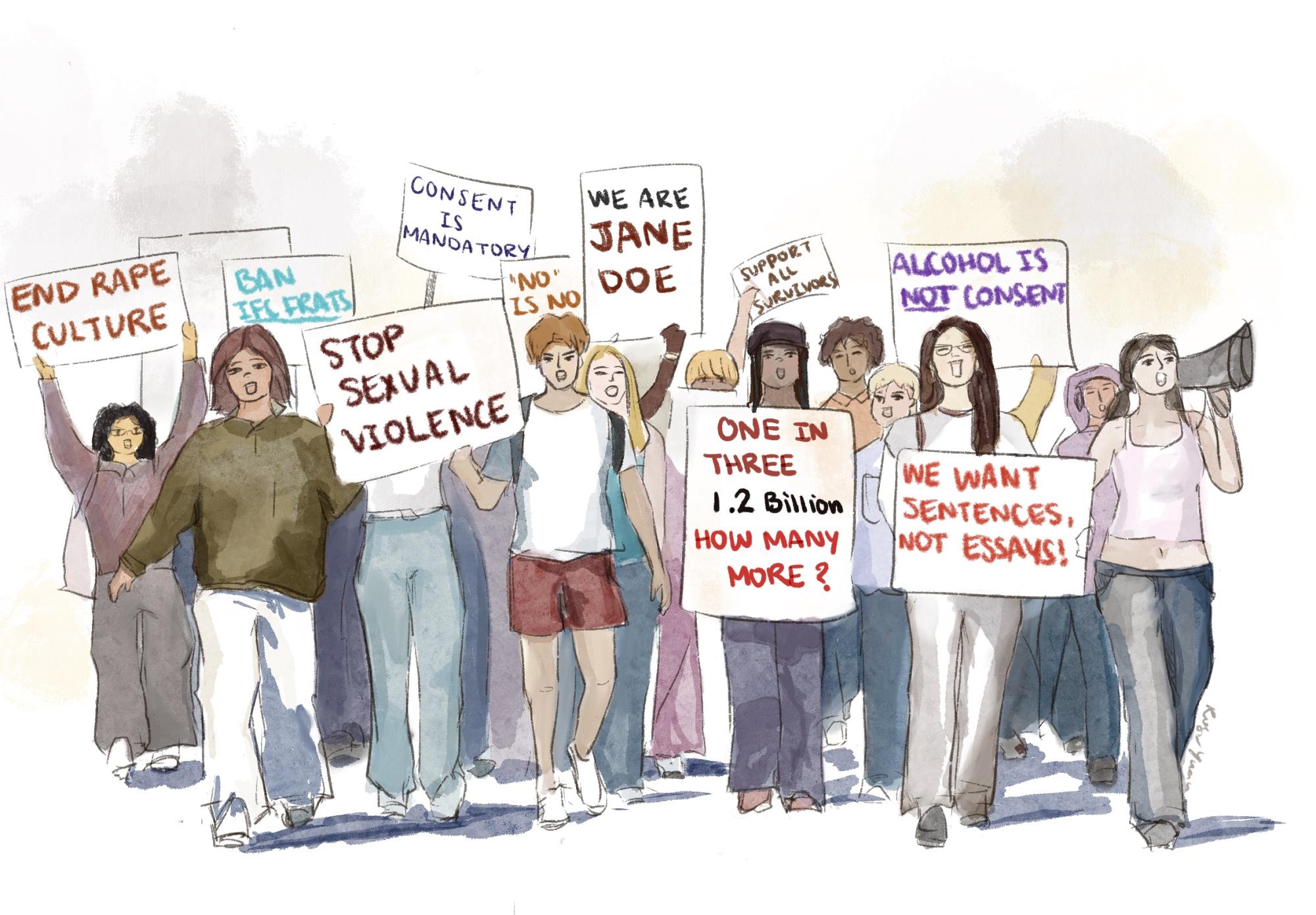


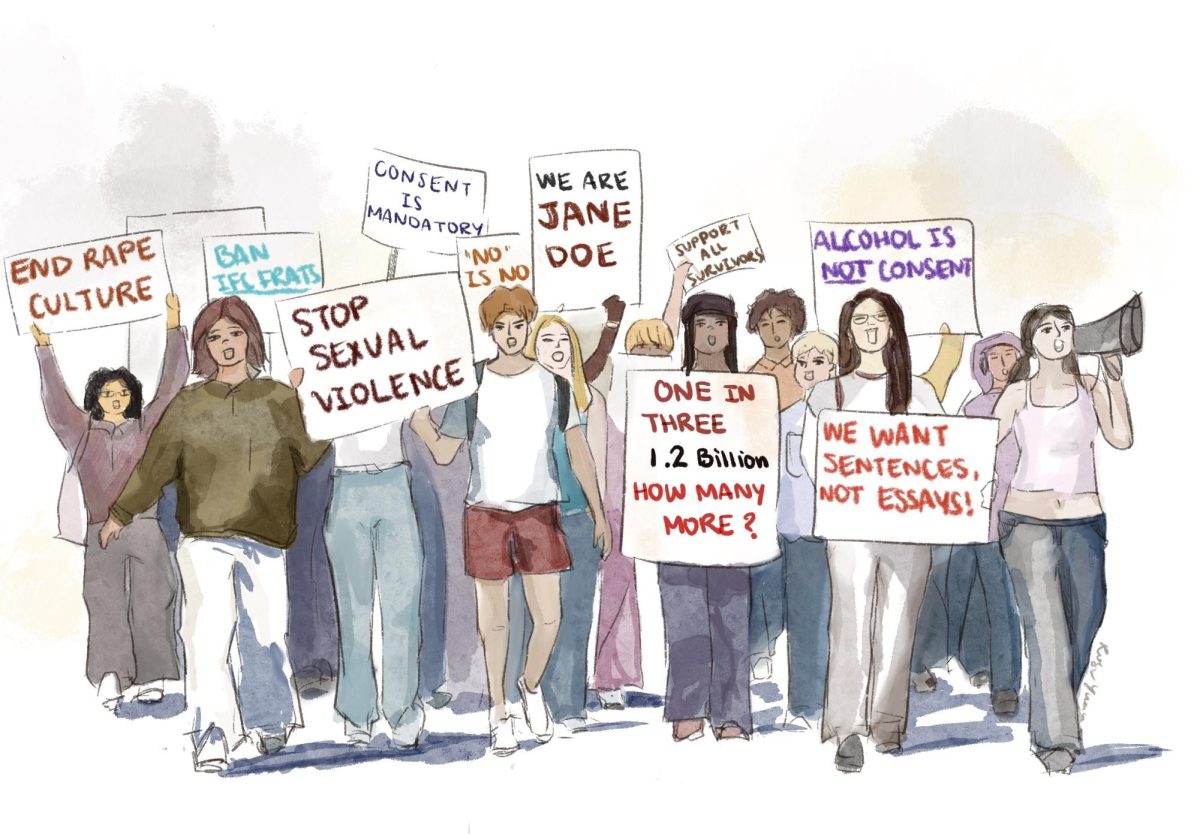
While in recent decades society has made great strides against sexual misconduct, recent collegiate rape scandals have highlighted the ever-present need for title IX regulations.
Recently, a civil lawsuit was filed against seven former and active students of Cornell University for sexually assaulting a 20-year-old sophomore in 2024. This situation has sparked a nationwide conversation about how colleges and universities handle cases of sexual violence.
Rue Wiser ‘25, a sophomore at Cornell, blames the “culture of entitlement” in elite universities across America as the catalyst for sexual violence.
“I do believe that prestigious universities, with enormous wealth and prestige, can breed these cultures of entitlement that allow these situations to happen in the first place, which then gave the university even stronger reasons to protect its reputation because they’re so prestigious,” Wiser said.
The Masters School is also a relatively elite school, making it susceptible to this trap. To prevent this, Jeff Carnevale, the associate head of the Upper School for student life, along with a number of other faculty members, spent time building a new iteration to the school handbook in 2019 with the help of an international expert on sexual misconduct and student safety, Katie Koestner.
Carnevale said, “We created policy and practices here on campus that have become the gold standard for independent schools across the country. [Independent schools] reach out to us every year.”
Carnevale noted the importance of not only keeping the logistics in order, but also educating students at a young age about ethical health practices.
“We try to keep the topics really fresh in the health curriculum and advisory curriculum, in terms of talking about opportunities for consent, boundaries, and healthy relationships,” he said.
This call to action is not just in the wake of the Cornell situation, but has been recognized at the federal level of government. In 1972, Title IX was passed into law by Congress. To summarize, the statute states that gender-based discrimination must not occur in any educational institution around the country; this includes sexual misconduct. For New York specifically, “Enough is Enough” is a New York state law that mandates all New York institutions to create a sexual assault prevention guidelines.
New York State institutions follow a higher and more expansive policy than Title IX at the federal level. New York State has two policies. Other institutions might choose to have their own policy that is more encompassing than Title IX, but they don’t need to. In New York, they enforce that you have both.
According to the official Masters family handbook, students can make reports of sexual misconduct by contacting an adult through the Student Life office, or even the student resource tab of the student portal. The guidelines also note that all reports will be meticulously investigated, and authorities will be notified if necessary.