
When you think of ecosystem destruction in the woods, disturbances like fires or human impact from deforestation would usually seem to be the cause. The woods situated directly behind campus and the Juhring Estate in Eastern Dobbs Ferry are in horrible condition. The problem isn’t those disturbances: it’s deer overpopulation. In a town just 2.42 square miles, it is estimated that there were 156 deer per square mile.
The Village noticed this frequency too, long before the data emerged. Within the woods of The Masters School specifically, Chair of the Conservation Board Matthew Scott-Hansen notes the negative impact deer overpopulation has on forest ecosystems and biodiversity.
“The Masters’ woods are in terrible shape. There are trees falling down everywhere. The soil is getting eroded; the forest can’t hold the water on the hillside. There are no plants to help keep the soil where it is,” he said.
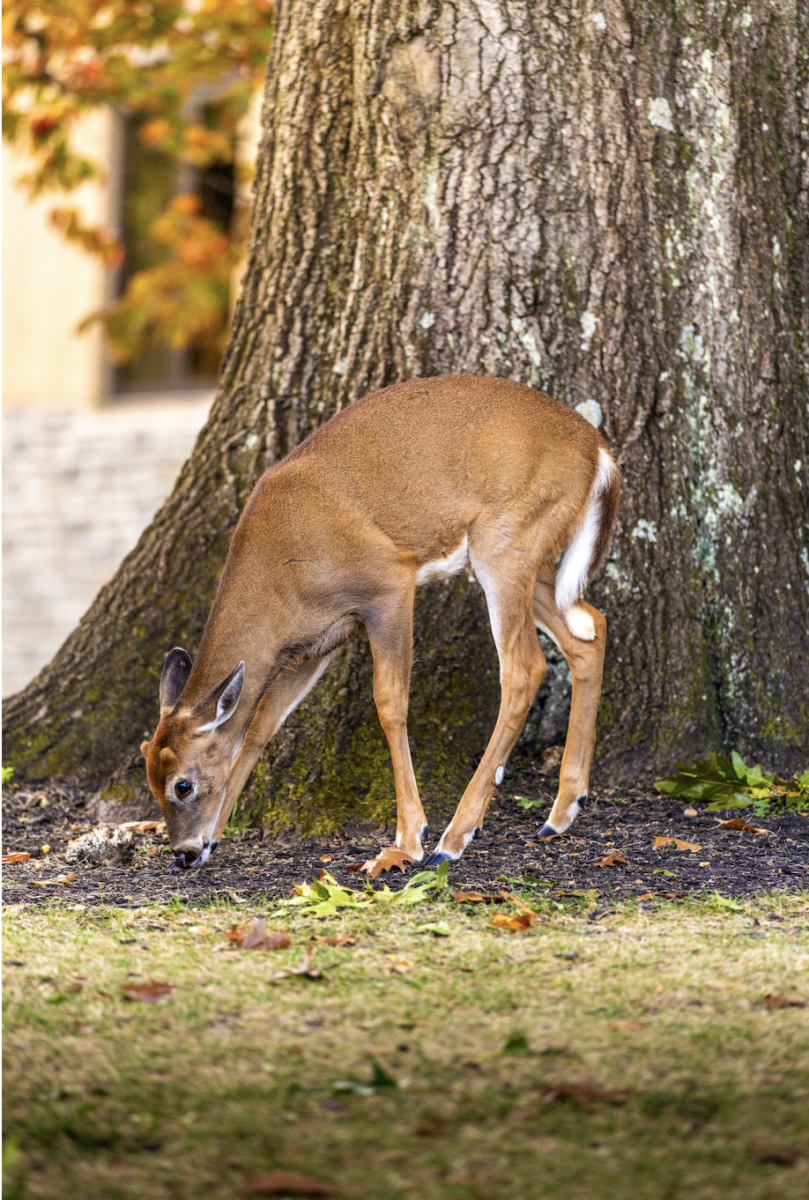
There are no plants because deer have hyper-specific herbivore diets to support lactation and antler growth. Deer browse and do not graze because lowering their head all the way to the ground makes them vulnerable to predators.
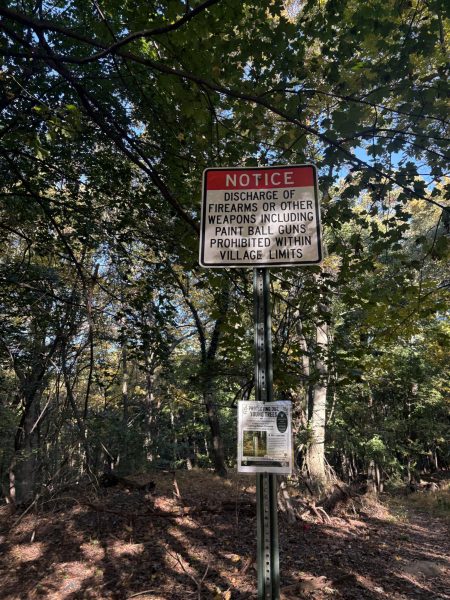
In order to solve this problem of ecological destruction, Dobbs Ferry had to take a further step. In the fall of 2025, the Board of Trustees made an agreement with Kelley Deer Management to fix the problem of overpopulation in the local woodlands. From Oct. 1 to Dec. 31, 2025, a professional and licensed bowhunter, Peter Kelley, was hired to reduce the deer population in order to restore the biodiversity within the forest ecosystems of Dobbs Ferry and other Rivertowns. At the end of the first hunting season, Kelley removed 19 deer.
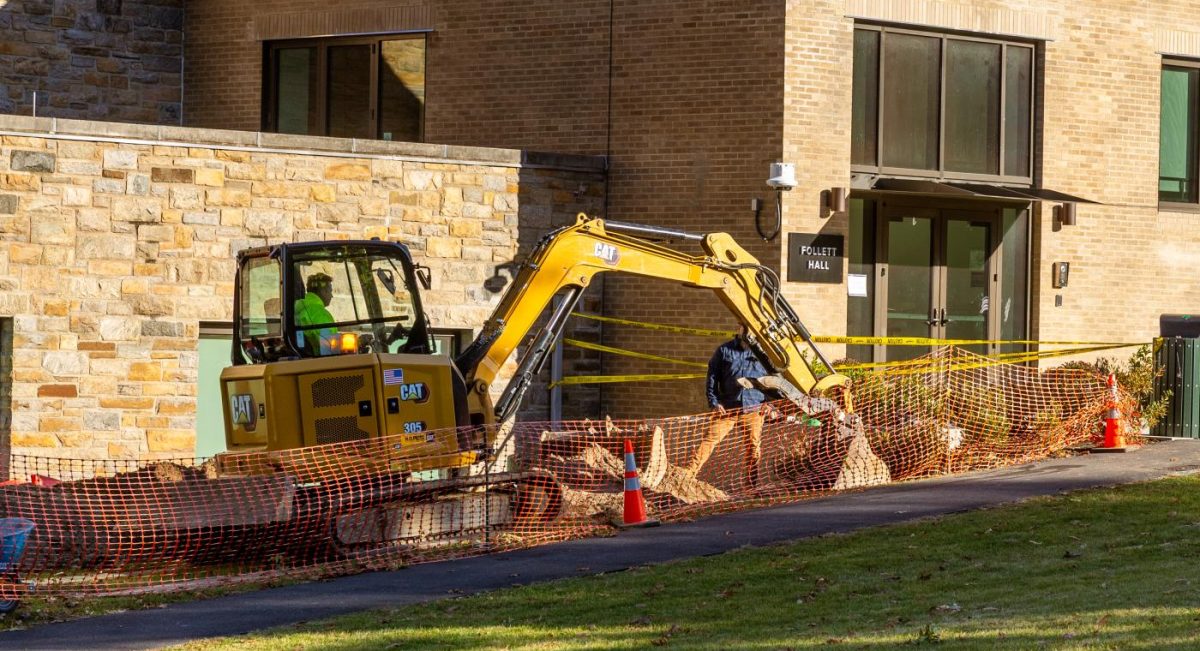
The second year of the deer management comes with more territory: the woods right beside campus will also be included in the plan.
Dan Pereira, director of operations, explained the process of bringing the management to Masters.
“Ms. Danforth received an email from a village administrator back in January,” he said. He continued, “The email asked if we would support this initiative, and that they needed access to our property. Basically, without our help, what they were doing was not going to be effective, since so many deer cut across campus and sleep on our property.”
There cannot be specific scientific data recorded regarding the hunting of the deer because it takes three to five years to witness the start of vegetation recovery. In the meantime, ecologist and professor Danielle Begley-Miller – who collected the woods’ data before the first season started through her consulting company Forest Management Solutions LLC – predicts what the recovery process would look like in those coming years.
“You would see deer-sensitive plants grow again. When you start reducing browsing pressure, you allow those plants to increase their energy stores, and they can recover enough to actually flower,” Begley-Miller noted.
Managing a singular population goes further than control.