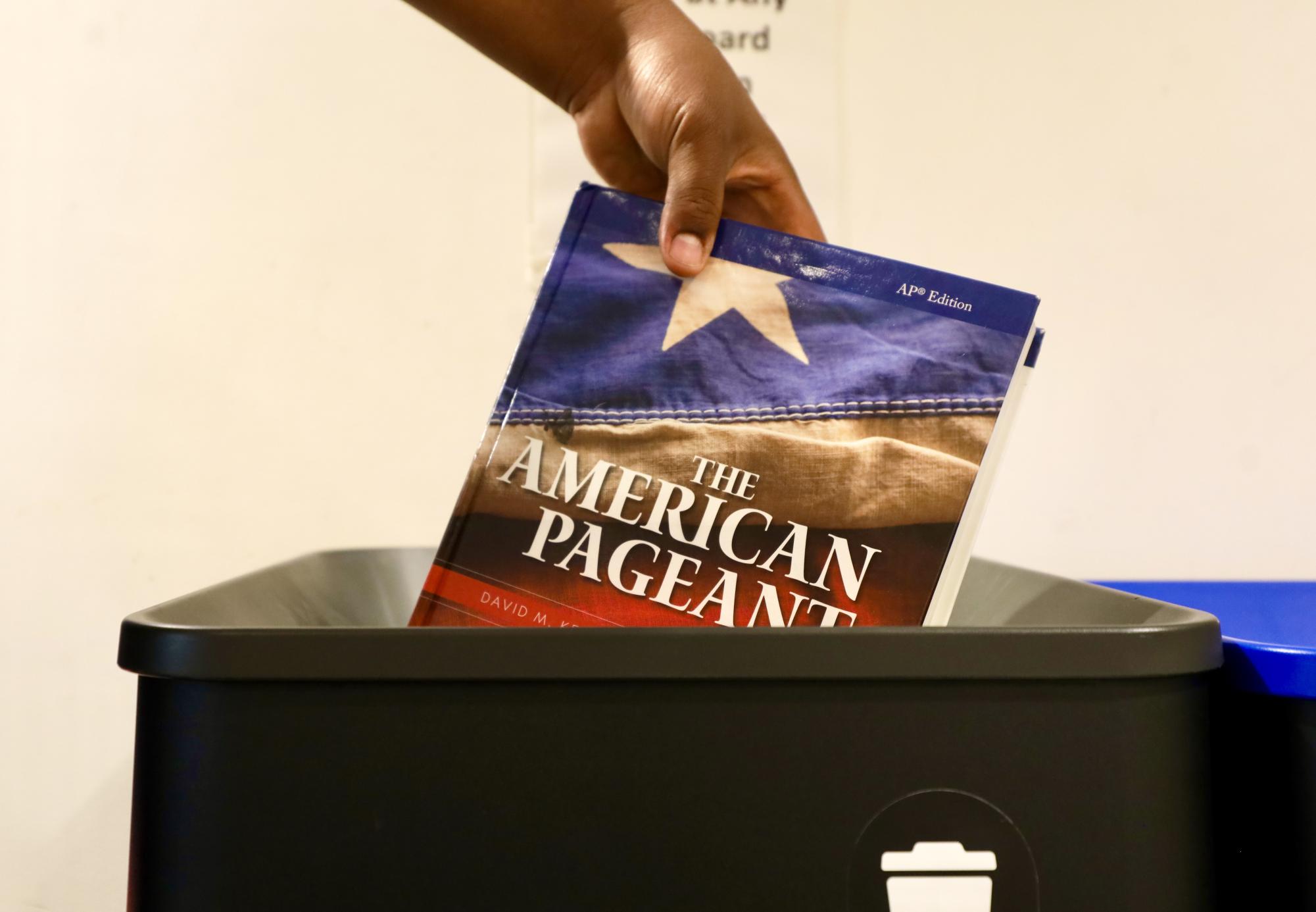
When I first flipped through the 1,152-page textbook required for the AP United States History class, I did not realize the jaw-dropping fact that each book uses roughly one-tenth of a tree’s worth of paper. However, in the rush of final weeks, these books, class notes and handouts are often discarded out of convenience. They pile up in lonely corners of the dorm’s common rooms, are left collecting dust in attics, or worse, are tossed directly into trash cans.
The amount of paper that becomes wasted is often underestimated. According to the Environmental Protection Agency, in 2018, paper and paperboard accounted for 23.1% of U.S. municipal solid waste, while 17.2 million tons of paper and paperboard were sent to landfills.
Landfills are the least efficient way to manage waste. They release methane, a greenhouse gas 80 times more potent than carbon dioxide in causing global warming. As rain and liquids filter through the waste, they produce leachate, a toxic liquid that contaminates surrounding water sources.
To keep paper out of landfills, juniors Emily Kasoff and Josh Malkin started an initiative this February to collect unwanted paper and send it through a proper recycling process.
“At the end of the year, we often have stacks of papers that just sit around or get thrown out,” Kasoff said.
Kasoff and Malkin plan to set up large recycling bins outside the library, in the Fonseca Center and throughout Masters Hall from May 25 to the end of the school year. These papers will be recycled through Masters’ existing recycling system.
“The school already has a partnership with a company that handles recycling,” Kasoff said.
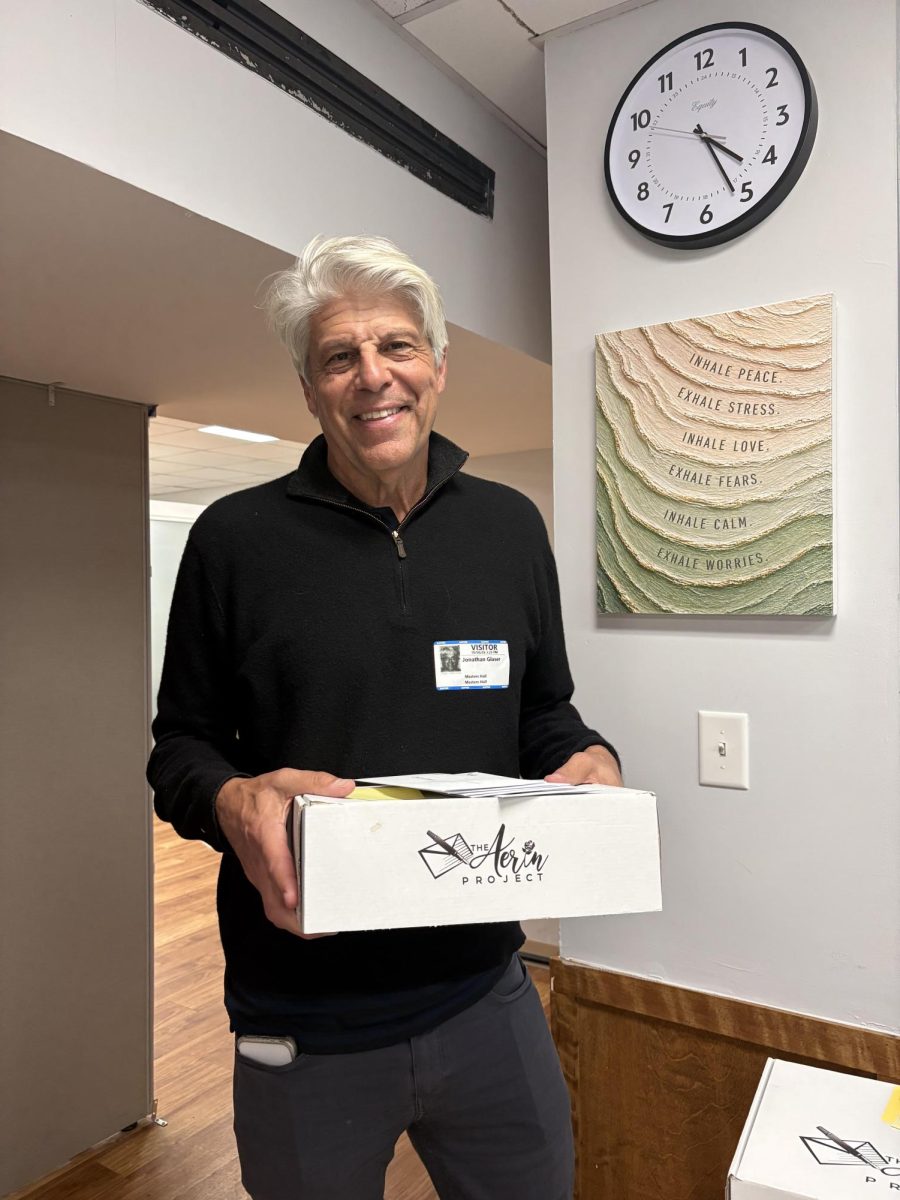
In addition to students’ efforts, the Masters Parent Association has also organized the “Book Palooza,” a book swap program to reuse books across grade levels for the last three years.
“Books are really expensive, and there tends to be a lot of waste,” Director of Parent Engagement Amie Servino said.
According to Servino, the initiative expanded last year with student volunteers promoting end-of-year donations. Parent volunteers later sorted the collected books by division and subject and distributed them during the opening days at a tent set up on campus to the entire upper school for free.
Some books that are not on the following year’s curriculum list, including novels, SAT and ACT prep books and AP review books, were also received. Most novels were donated to academic departments, while test-prep books were made available for students to take. Each year, the program collects roughly 15 to 20 boxes of books.
Still, “Book Palooza” operated under logistical challenges.
“Our inventory is only as good as the donations we’ve received,” Servino said.
The uneven supply of donated books means some materials circulated more easily than others. For example, expensive AP textbooks had high turnover, as they were frequently donated and quickly claimed. Underclass history books were harder to find because students kept them for multiple years.
This program currently faces uncertainty as students need to buy fewer physical books themselves. The English department distributes books directly, and lower-level language classes have adopted digital books. With AP courses set to be phased out next year, demands for some of the most popular books may also decline.
Nevertheless, this program proves invaluable in mobilizing parents’ participation, embodying the Parent Association’s effort in being a “power for good.” Although financial aid can help cover textbook expenses for some students, Servino said the swap benefits families “right in the middle,” those who may not qualify for financial aid but still face hundreds of dollars in book costs due to skyrocketing textbook prices.